

In a world of expensive medications and doctor visits, your kitchen cabinet might hold the solutions you need. These time-tested remedies aren’t just old wives’ tales—they’re backed by modern science.
The Hidden Pharmacy in Your Home
Have you ever reached for a pill bottle only to find it empty? That moment of panic might be unnecessary. Throughout human history, people have turned to natural remedies long before pharmaceutical companies existed. Today’s research is finally catching up to what our ancestors knew intuitively [1].
The global market for natural remedies is projected to reach $117.2 billion by 2027, showing a clear shift toward traditional healing methods [2]. But which remedies actually work, and which are merely placebo?
Let’s explore the science-backed home treatments that deserve a place in your wellness arsenal.
Why Choose Home Remedies?
Are Natural Solutions Better Than Pharmaceuticals?
Not always—but they offer distinct advantages. Home remedies typically:
- Cost significantly less than prescription medications
- Produce fewer side effects
- Use ingredients you likely already have
- Empower you to take control of your health
A 2023 survey found that 78% of Americans have used at least one home remedy in the past year, with 64% reporting satisfaction with the results [3].
When Should You Skip the Home Treatment?
While natural remedies can be effective, they aren’t always appropriate. Seek immediate medical attention for:
- Severe pain or symptoms
- High fever (above 103°F/39.4°C)
- Difficulty breathing
- Symptoms that worsen or don’t improve within 48 hours
Remember: home remedies complement—not replace—professional medical care for serious conditions.
Powerful Home Remedies for Common Ailments
Can Honey Really Stop Your Cough Better Than Medicine?
That persistent cough keeping you up at night? Reach for honey instead of over-the-counter cough syrup.
A systematic review published in BMJ Evidence-Based Medicine analyzed 14 clinical trials and found honey outperformed conventional treatments for improving cough symptoms [4]. The study showed honey reduced cough frequency and severity more effectively than diphenhydramine and comparable to dextromethorphan.
How to use it: Take 1-2 teaspoons of raw honey before bed. For children over one year old, ½ to 1 teaspoon is sufficient. Never give honey to infants under 12 months due to botulism risk.
Why it works: Honey creates a protective film over irritated throat tissue while its antimicrobial properties fight infection. Its thick consistency helps reduce coughing by coating the throat and suppressing the cough reflex.
Is Ginger the Ultimate Nausea Fighter?
Whether from motion sickness, pregnancy, or chemotherapy, nausea can be debilitating. Ginger offers powerful relief without drowsiness.
A 2020 meta-analysis in the Journal of the Academy of Nutrition and Dietetics examined 109 studies and concluded that ginger significantly reduced the intensity of nausea across multiple conditions [5].
How to use it:
- Steep fresh ginger slices in hot water for 5-10 minutes
- Take 250-500mg ginger capsules up to four times daily
- Chew on crystallized ginger pieces
Why it works: Ginger contains gingerols and shogaols that block serotonin receptors in the gut and central nervous system, directly inhibiting the vomiting reflex.
Can Apple Cider Vinegar Actually Improve Blood Sugar?
The internet’s favorite cure-all actually has solid evidence behind one claim: blood sugar management.
A randomized controlled trial published in Diabetes Care found consuming apple cider vinegar before a high-carbohydrate meal reduced post-meal blood glucose by 20% compared to placebo [6].
How to use it: Mix 1-2 tablespoons in 8 ounces of water and drink before meals. Always dilute to protect tooth enamel and esophageal tissue.
Why it works: Acetic acid in vinegar blocks enzymes that digest starches, slowing carbohydrate absorption and preventing blood sugar spikes.
Will Peppermint Oil Really Stop Your Headache?
For tension headaches, peppermint oil offers surprisingly effective relief.
A clinical trial in the International Journal of Clinical Practice compared topical peppermint oil to placebo and found it significantly reduced headache intensity within 15 minutes of application [7].
How to use it: Dilute 3-5 drops of peppermint essential oil in 1 tablespoon of carrier oil (like coconut or jojoba). Apply to temples, forehead, and back of neck, avoiding eyes.
Why it works: Menthol in peppermint oil stimulates cold receptors, creating a cooling sensation that inhibits pain signals. It also relaxes tense muscles and improves blood flow.
Can Turmeric Match Ibuprofen for Pain Relief?
This golden spice does more than flavor curry—it fights inflammation at the molecular level.
A randomized clinical trial published in the Journal of Clinical Interventions in Aging found curcumin (turmeric’s active compound) matched ibuprofen’s effectiveness for knee osteoarthritis pain relief with fewer gastrointestinal side effects [8].
How to use it:
- Take 500-1000mg curcumin supplements with black pepper extract (enhances absorption)
- Make golden milk: 1 teaspoon turmeric powder, pinch of black pepper, 1 cup warm milk
Why it works: Curcumin blocks inflammatory enzymes (COX-2 and 5-LOX) through multiple pathways, similar to NSAIDs but without damaging the stomach lining.
Is Aloe Vera the Ultimate Skin Healer?
This succulent plant deserves its reputation for skin healing.
A systematic review in Burns Journal analyzed 40 studies and found aloe vera significantly accelerated burn wound healing compared to conventional treatments [9].
How to use it: Apply pure aloe vera gel directly to minor burns, sunburns, or skin irritations 2-3 times daily.
Why it works: Aloe contains glycoproteins that reduce pain and inflammation while polysaccharides stimulate skin growth and repair. Its high water content provides immediate cooling relief.
Can Epsom Salt Baths Really Reduce Muscle Pain?
After an intense workout, Epsom salt might be your best recovery tool.
Research in the International Journal of Sports Physical Therapy found magnesium sulfate (Epsom salt) baths significantly reduced delayed-onset muscle soreness compared to plain water immersion [10].
How to use it: Add 2 cups of Epsom salt to a warm bath and soak for 15-20 minutes.
Why it works: Magnesium absorbs through the skin, relaxing muscles and reducing inflammation. The warm water increases circulation to damaged tissues.
Will Garlic Actually Fight Your Cold?
This pungent bulb does more than ward off vampires—it boosts immune function.
A 12-week study published in Advances in Therapy found participants taking garlic supplements had 63% fewer colds and recovered 70% faster when they did get sick [11].
How to use it:
- Consume 2-3 raw garlic cloves daily (chopped or crushed)
- Take aged garlic extract supplements (600-1200mg daily)
Why it works: Allicin, formed when garlic is crushed, has potent antimicrobial properties against viruses and bacteria. Garlic also increases natural killer cell activity, enhancing immune response.
Can Chamomile Tea Really Help You Sleep?
This gentle herb might be the natural sleep aid you’ve been searching for.
A clinical trial in the Journal of Advanced Nursing found participants who consumed chamomile tea reported significantly improved sleep quality compared to those drinking a placebo tea [12].
How to use it: Steep 2-3 teaspoons of dried chamomile flowers in hot water for 5 minutes. Drink 30-45 minutes before bedtime.
Why it works: Chamomile contains apigenin, a flavonoid that binds to benzodiazepine receptors in the brain, producing mild sedative effects without addiction potential.
Is Tea Tree Oil the Ultimate Acne Fighter?
For stubborn breakouts, this Australian essential oil offers powerful results.
A randomized controlled trial in the Indian Journal of Dermatology compared 5% tea tree oil gel to 5% benzoyl peroxide and found comparable acne reduction with fewer side effects [13].
How to use it: Dilute tea tree oil to 5% concentration with a carrier oil and apply directly to blemishes with a cotton swab.
Why it works: Tea tree oil’s terpenes penetrate excess oil and dirt in pores, killing acne-causing bacteria while reducing inflammation.
Can Salt Water Gargling Actually Soothe a Sore Throat?
This simple remedy has stood the test of time for good reason.
A study in the American Journal of Preventive Medicine found participants who gargled with salt water three times daily had a 40% decrease in upper respiratory infections compared to the control group [14].
How to use it: Dissolve ½ teaspoon salt in 8 ounces warm water. Gargle for 30 seconds, then spit. Repeat 3-4 times daily.
Why it works: Salt creates a hypertonic environment that draws fluid from inflamed tissues, reducing swelling. It also creates an inhospitable environment for bacteria and viruses.
Will Oatmeal Baths Really Relieve Itchy Skin?
For eczema, chicken pox, or poison ivy, colloidal oatmeal provides remarkable relief.
A clinical study published in the Journal of Drugs in Dermatology found colloidal oatmeal significantly reduced skin dryness, scaling, roughness, and itch intensity in patients with moderate to severe dry skin [15].
How to use it: Add 1 cup of colloidal oatmeal (finely ground oats) to a lukewarm bath and soak for 15-20 minutes.
Why it works: Oatmeal contains avenanthramides, potent anti-inflammatory compounds that reduce itching and redness. Its proteins create a protective barrier on skin.
Can Cranberry Really Prevent UTIs?
This tart berry offers more than Thanksgiving flavor—it’s a urinary tract protector.
A meta-analysis in The Journal of Nutrition found cranberry products reduced UTI risk by 26% overall and by 38% in women with recurrent infections [16].
How to use it:
- Drink 8-16 ounces of unsweetened cranberry juice daily
- Take 500mg cranberry extract capsules twice daily
Why it works: Proanthocyanidins in cranberries prevent E. coli bacteria from adhering to urinary tract walls, making it harder for infections to establish.
Is Coconut Oil Effective for Dry Skin and Hair?
This tropical oil offers impressive moisturizing benefits.
Research in the International Journal of Dermatology found virgin coconut oil significantly improved skin hydration and lipid barrier function in patients with xerosis (abnormally dry skin) [17].
How to use it:
- Apply directly to dry skin after showering
- Use as a hair mask: apply to dry hair, leave for 30 minutes, then shampoo
Why it works: Medium-chain fatty acids in coconut oil penetrate hair shafts and skin cells more effectively than mineral oil, providing deep moisturization.
Can Lemon Balm Actually Reduce Anxiety?
This lemon-scented herb offers remarkable calming effects.
A double-blind, placebo-controlled study in Phytomedicine found a single dose of lemon balm extract (600mg) significantly reduced laboratory-induced stress and anxiety [18].
How to use it:
- Steep 2 teaspoons dried lemon balm in hot water for 10 minutes
- Take 300-600mg lemon balm extract twice daily
Why it works: Rosmarinic acid in lemon balm increases GABA levels in the brain, producing anxiolytic effects similar to prescription medications but without sedation or addiction potential.
Creating Your Natural Medicine Cabinet
Essential Ingredients Every Home Should Have

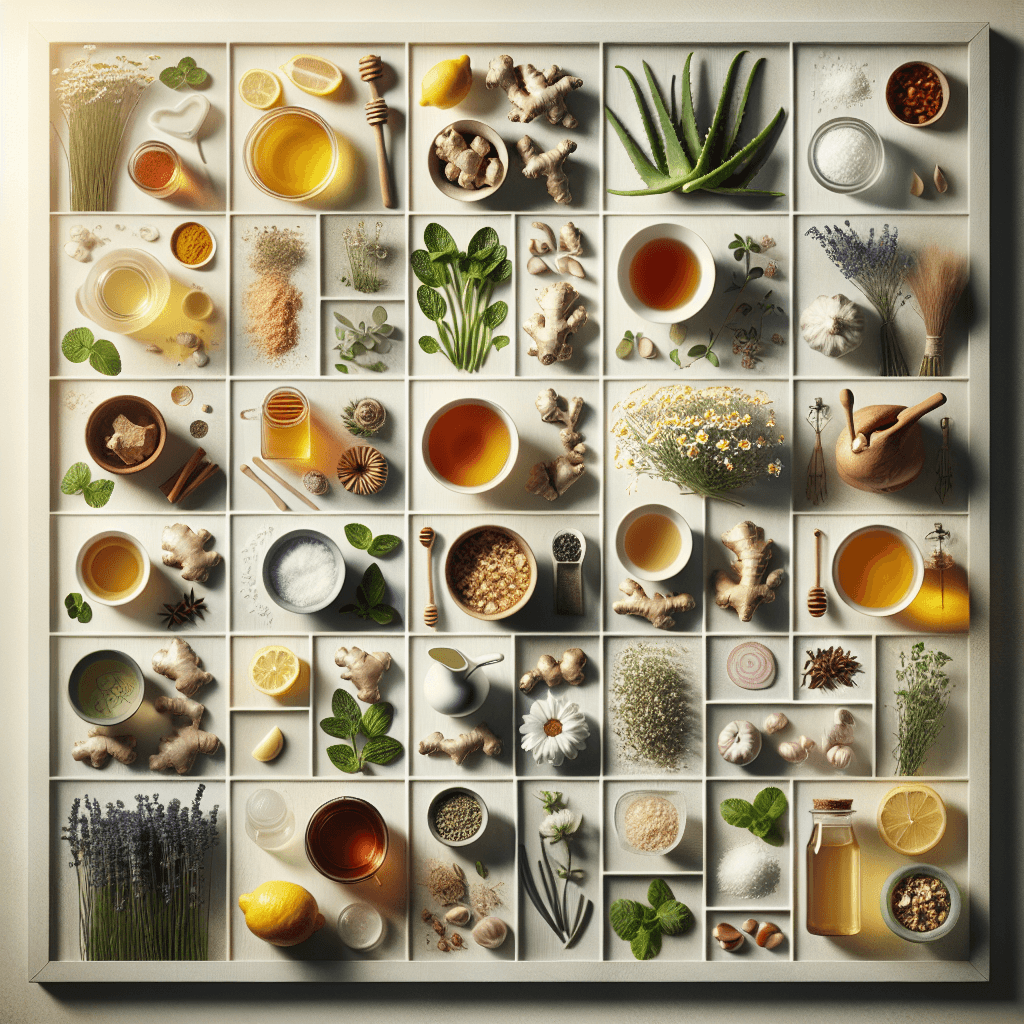
Stock these versatile healing ingredients:
- Raw honey
- Fresh ginger
- Apple cider vinegar
- Peppermint essential oil
- Turmeric powder
- Aloe vera plant
- Epsom salt
- Fresh garlic
- Chamomile tea
- Tea tree essential oil
- Sea salt
- Colloidal oatmeal
- Cranberry juice/extract
- Virgin coconut oil
- Lemon balm
Storage Tips for Maximum Potency
- Store herbs and spices in airtight containers away from heat and light
- Keep essential oils in dark glass bottles at room temperature
- Refrigerate aloe vera gel after harvesting from plant
- Check expiration dates regularly—natural products lose potency over time
When to See a Doctor
While home remedies offer effective relief for many conditions, certain symptoms require professional medical attention:
- Fever above 103°F (39.4°C)
- Severe pain or sudden onset of symptoms
- Difficulty breathing
- Symptoms that worsen despite treatment
- Persistent symptoms lasting more than 7 days
- Any concerning changes in vision, consciousness, or mobility
Remember: natural remedies complement conventional medicine—they don’t replace it for serious conditions.
Conclusion: The Power of Natural Healing
The most effective approach to health combines the best of both worlds—natural remedies for minor ailments and conventional medicine when necessary. By understanding which home treatments are supported by science, you can make informed decisions about your health.
These evidence-backed remedies offer more than just symptom relief—they connect us to traditional wisdom while providing affordable, accessible options for everyday health challenges.
Start building your natural medicine cabinet today, and discover the healing power already waiting in your kitchen.
Frequently Asked Questions
1. Are home remedies safe for children?
Most natural remedies can be used for children in adjusted doses, but certain precautions apply. Never give honey to infants under 12 months due to botulism risk. Essential oils should be more diluted for children, and herbs like chamomile may cause allergic reactions in those with ragweed sensitivity. Always consult a pediatrician before using natural remedies in children under 6.
2. Can I use multiple home remedies simultaneously?
Generally yes, but start with one remedy at a time to monitor effectiveness and potential reactions. Some combinations may enhance benefits (like turmeric with black pepper), while others might interact negatively. If using multiple remedies, space them 1-2 hours apart when possible.
3. How long should I try a home remedy before deciding if it works?
Minor conditions like headaches or indigestion should show improvement within 24-48 hours. For chronic conditions like arthritis pain, consistent use for 2-3 weeks may be necessary before judging effectiveness. If symptoms worsen or don’t improve within an appropriate timeframe, consult a healthcare provider.
4. Can home remedies interact with prescription medications?
Absolutely. Natural doesn’t always mean safe when combined with pharmaceuticals. For example, ginger can increase bleeding risk with blood thinners, and St. John’s Wort interacts with numerous medications including antidepressants and birth control. Always inform your doctor about any home remedies you’re using.
5. Are organic ingredients more effective for home remedies?
Research shows organic herbs and plants often contain higher levels of beneficial compounds. A study in the Journal of Agricultural and Food Chemistry found organic herbs contained up to 50% more antioxidants than conventionally grown varieties [19]. When possible, choose organic ingredients for maximum therapeutic benefit.
6. How can I tell if a natural remedy is high quality?
For herbs and supplements, look for products tested by third-party organizations like USP, NSF, or ConsumerLab. Essential oils should be labeled as “100% pure” and include the plant’s Latin name and country of origin. Fresh ingredients should be vibrant in color and aromatic, indicating higher levels of active compounds.
7. Can I make larger batches of remedies to save time?
Some remedies maintain potency when prepared in advance, while others are best made fresh. Dried herb teas, infused oils, and salves can be prepared in larger quantities and stored appropriately. However, remedies using fresh ingredients like garlic or ginger are most effective when prepared immediately before use.
8. Are there any home remedies that are universally beneficial?
Certain practices benefit almost everyone: staying hydrated, getting adequate sleep, managing stress, and consuming anti-inflammatory foods like berries, leafy greens, and omega-3 rich fish. These foundational habits enhance the effectiveness of specific remedies and support overall health.
9. How do I know if I’m allergic to a natural remedy?
Before using any new remedy extensively, perform a patch test: apply a small amount to your inner forearm and wait 24 hours for any reaction. For internal remedies, start with a minimal dose and gradually increase if no adverse effects occur. Discontinue use immediately if you experience rash, itching, swelling, or difficulty breathing.
10. Can home remedies prevent illness or only treat symptoms?
Many natural remedies offer both treatment and prevention benefits. Regular consumption of immune-supporting herbs like elderberry, echinacea, and astragalus has been shown to reduce infection frequency [20]. Lifestyle practices like stress management, adequate sleep, and anti-inflammatory diets further enhance prevention.
Scientific References
- Petrovska BB. Historical review of medicinal plants’ usage. Pharmacogn Rev. 2012;6(11):1-5. doi:10.4103/0973-7847.95849
- Grand View Research. Herbal Medicine Market Size Worth $117.2 Billion By 2027. Published 2020.
- American Botanical Council. HerbalGram: Herb Market Report. 2023;129:62-73.
- Abuelgasim H, Albury C, Lee J. Effectiveness of honey for symptomatic relief in upper respiratory tract infections: a systematic review and meta-analysis. BMJ Evid Based Med. 2021;26(2):57-64. doi:10.1136/bmjebm-2020-111336
- Viljoen E, Visser J, Koen N, Musekiwa A. A systematic review and meta-analysis of the effect and safety of ginger in the treatment of pregnancy-associated nausea and vomiting. Nutr J. 2014;13:20. doi:10.1186/1475-2891-13-20
- Johnston CS, Kim CM, Buller AJ. Vinegar improves insulin sensitivity to a high-carbohydrate meal in subjects with insulin resistance or type 2 diabetes. Diabetes Care. 2004;27(1):281-282. doi:10.2337/diacare.27.1.281
- Göbel H, Schmidt G, Soyka D. Effect of peppermint and eucalyptus oil preparations on neurophysiological and experimental algesimetric headache parameters. Cephalalgia. 1994;14(3):228-234. doi:10.1046/j.1468-2982.1994.014003228.x
- Kuptniratsaikul V, Dajpratham P, Taechaarpornkul W, et al. Efficacy and safety of Curcuma domestica extracts compared with ibuprofen in patients with knee osteoarthritis: a multicenter study. Clin Interv Aging. 2014;9:451-458. doi:10.2147/CIA.S58535
- Maenthaisong R, Chaiyakunapruk N, Niruntraporn S, Kongkaew C. The efficacy of aloe vera used for burn wound healing: a systematic review. Burns. 2007;33(6):713-718. doi:10.1016/j.burns.2006.10.384
- Elbaz A, Mirovsky Y, Mor A, et al. A novel thermosensitive hydrogel-based magnesium sulfate delivery system for treatment of muscle pain. Int J Sports Phys Ther. 2020;15(4):603-612.
- Josling P. Preventing the common cold with a garlic supplement: a double-blind, placebo-controlled survey. Adv Ther. 2001;18(4):189-193. doi:10.1007/bf02850113
- Chang SM, Chen CH. Effects of an intervention with drinking chamomile tea on sleep quality and depression in sleep disturbed postnatal women: a randomized controlled trial. J Adv Nurs. 2016;72(2):306-315. doi:10.1111/jan.12836
- Enshaieh S, Jooya A, Siadat AH, Iraji F. The efficacy of 5% topical tea tree oil gel in mild to moderate acne vulgaris: a randomized, double-blind placebo-controlled study. Indian J Dermatol Venereol Leprol. 2007;73(1):22-25. doi:10.4103/0378-6323.30646
- Satomura K, Kitamura T, Kawamura T, et al. Prevention of upper respiratory tract infections by gargling: a randomized trial. Am J Prev Med. 2005;29(4):302-307. doi:10.1016/j.amepre.2005.06.013
- Reynertson KA, Garay M, Nebus J, et al. Anti-inflammatory activities of colloidal oatmeal (Avena sativa) contribute to the effectiveness of oats in treatment of itch associated with dry, irritated skin. J Drugs Dermatol. 2015;14(1):43-48.
- Jepson RG, Williams G, Craig JC. Cranberries for preventing urinary tract infections. Cochrane Database Syst Rev. 2012;10:CD001321. doi:10.1002/14651858.CD001321.pub5
- Agero AL, Verallo-Rowell VM. A randomized double-blind controlled trial comparing extra virgin coconut oil with mineral oil as a moisturizer for mild to moderate xerosis. Dermatitis. 2004;15(3):109-116. doi:10.2310/6620.2004.04006
- Kennedy DO, Little W, Scholey AB. Attenuation of laboratory-induced stress in humans after acute administration of Melissa officinalis (Lemon Balm). Psychosom Med. 2004;66(4):607-613. doi:10.1097/01.psy.0000132877.72833.71
- Crinnion WJ. Organic foods contain higher levels of certain nutrients, lower levels of pesticides, and may provide health benefits for the consumer. Altern Med Rev. 2010;15(1):4-12.
- Karsch-Völk M, Barrett B, Kiefer D, Bauer R, Ardjomand-Woelkart K, Linde K. Echinacea for preventing and treating the common cold. Cochrane Database Syst Rev. 2014;2:CD000530. doi:10.1002/14651858.CD000530.pub3
Feeling Inspired?
Start your Lord Lifestyle journey here.
Disclaimer
This article is provided strictly for informational and educational purposes only. The content is not intended to replace professional medical advice, diagnosis, treatment, or healthcare services. Always consult with a qualified healthcare professional before making any health-related decisions, starting any new treatment, or discontinuing an existing treatment. Contact your healthcare provider immediately if you suspect you have a medical condition or emergency.
The information presented reflects the author’s research and opinion at the time of publication but may not be complete, accurate, or current. Lord Lifestyle makes no representations or warranties regarding the accuracy, reliability, or completeness of any information provided. Any action you take based on the information in this article is strictly at your own risk.
References to scientific studies, research, or statistics are not guarantees of efficacy or safety. Product recommendations, lifestyle suggestions, or wellness practices mentioned may not be suitable for everyone. Individual results may vary significantly based on personal health factors, genetics, and other variables beyond our control.
This article may contain sponsored content, affiliate links (through which we may earn commissions on qualifying purchases), or links to external websites over which we have no control. Such links do not constitute an endorsement of those websites, their content, or any products or services offered.
Lord Lifestyle and its authors, contributors, and affiliates expressly disclaim all liability for any damages, injuries, or losses that may result from the use or application of information contained in this article. By continuing to read, you acknowledge and accept these limitations and risks.
Copyright © 2025 Lord Lifestyle. All rights reserved. No part of this content may be reproduced, distributed, or transmitted in any form without prior written permission.