

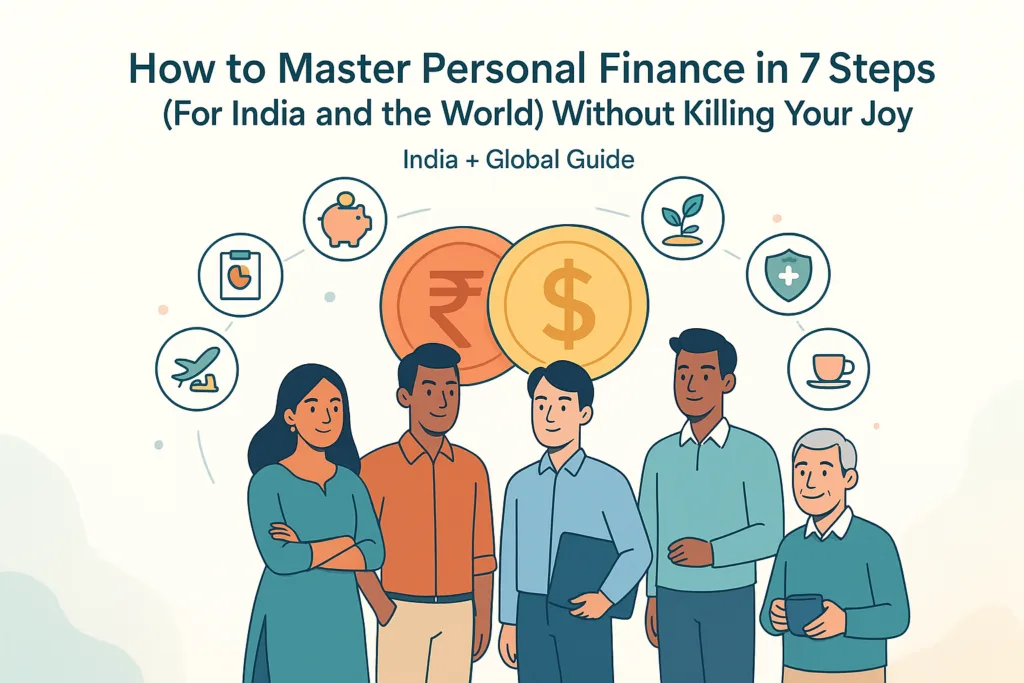
Money doesn’t care whether you live in Mumbai, Manila, Nairobi, New York, or Nagpur.
Rent, school fees, EMIs, rising food prices, elder care, a trip to Goa or Greece, that credit card you meant to pay off—these are global problems wearing local clothes.
This Lord Lifestyle guide is written for a global audience with a special lens on India, using real data from India, the U.S., and worldwide. The aim: give you a practical, science‑backed, human way to take control of your personal finances and nudge you towards an authentic, elite lifestyle—without losing your sanity or your soul.
Why Personal Finance Matters Globally (and Especially in India)
Across countries, the pattern is eerily similar:
- Globally, only 27% of adults are considered financially literate.1
- Around 3.5 billion people do not understand basic financial concepts.1
- In India, households remain the backbone of national savings—saving about ₹54.6 lakh crore in 2023–24, over half of India’s total savings pool.2
- Yet household financial savings as a share of GDP in India fell from 11% in 2020–21 to just 5.3% in 2023–24, even as liabilities rose sharply.2
- A separate survey found that only 38% of Indians are debt‑free and around 40% lack a sufficient emergency fund.3
Globally, financial literacy gaps are huge:
- Only 57% of people in surveyed populations understand basic financial concepts like interest and inflation.1
- In India and Pakistan, women’s financial literacy rates are estimated below 20%, linked to education and digital access gaps.1
At the same time, digital finance is exploding:
- In India, UPI now dominates daily payments, while bank deposits and small savings schemes still hold trillions of rupees.2
- Globally, digital banking usage is at record highs—yet about 25% of users struggle to understand even basic online financial tools.1
So the world is getting more financial tools, but not necessarily more financial wisdom. That’s where personal finance education—and your new system—comes in.
Step 1 – What Does “Winning with Money” Mean When You Live in India or Anywhere Else?
What is personal finance for a global citizen?
Personal finance is how you:
- Earn (salary, business, freelancing, side hustles)
- Spend (rent, groceries, bills, lifestyle)
- Save (bank accounts, small savings, FDs)
- Protect (insurance, emergency fund)
- Grow (mutual funds, index funds, stocks, real estate, retirement accounts)
…over your entire lifetime, in your specific country’s tax, inflation, and cultural context.
Research consistently finds that higher financial literacy correlates with fewer missed payments, less high‑cost debt, and better resilience to shocks across multiple countries.14
How do you define your “elite but authentic” money life?
Whether you’re in Bengaluru or Berlin, ask:
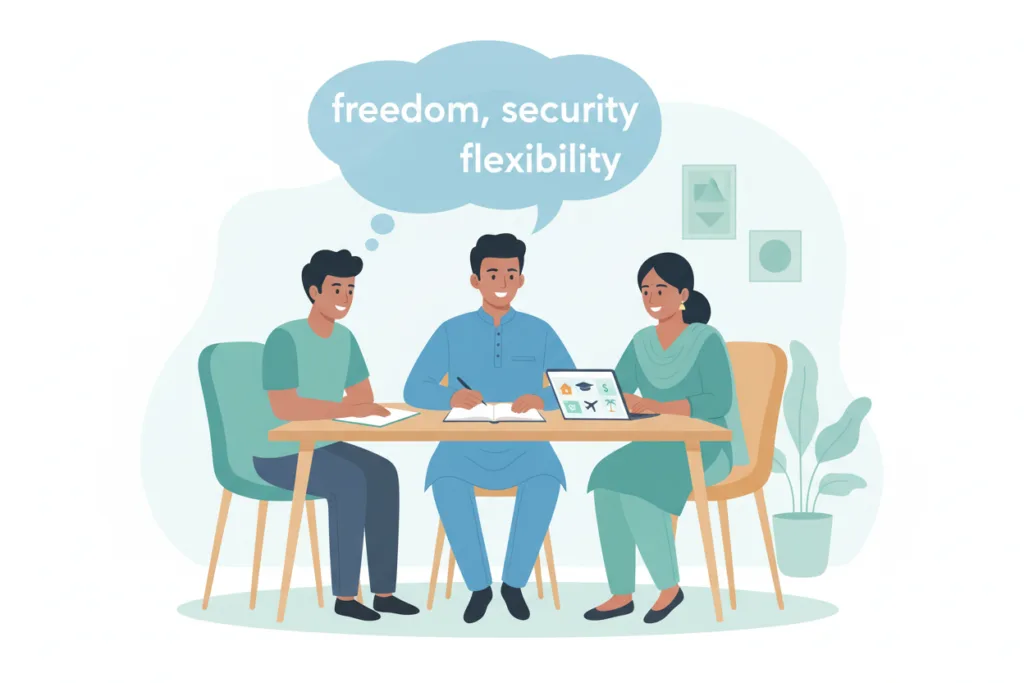
- Safety: How much monthly income and savings would make me feel secure?
- Freedom: What level of wealth would let me say “no” to toxic clients, bosses, or situations?
- Meaning: What do I want money to do for my family, community or legacy?
Turn that into three goals:
- Short term (0–2 years):
“Clear my credit card and personal loan; build ₹50,000 / $1,000 emergency fund.” - Medium term (3–5 years):
“Save for a home down payment / big move / kids’ education fund.” - Long term (10–25+ years):
“Reach partial financial independence; work by choice, not compulsion.”
Everything that follows is a system designed to move you towards those goals—wherever you live.
Step 2 – How Do You Build a Budget That Works in Rupees, Dollars, or Shillings?
The global budgeting problem
- In the U.S., about 30% of adults live paycheck to paycheck and don’t use a budget at all.5
- In India, RBI data suggests rising borrowing and shrinking financial savings as a share of GDP—meaning more people are stretched.2
The pattern is the same across countries: people don’t budget, then wonder why there’s “too much month at the end of the money.”
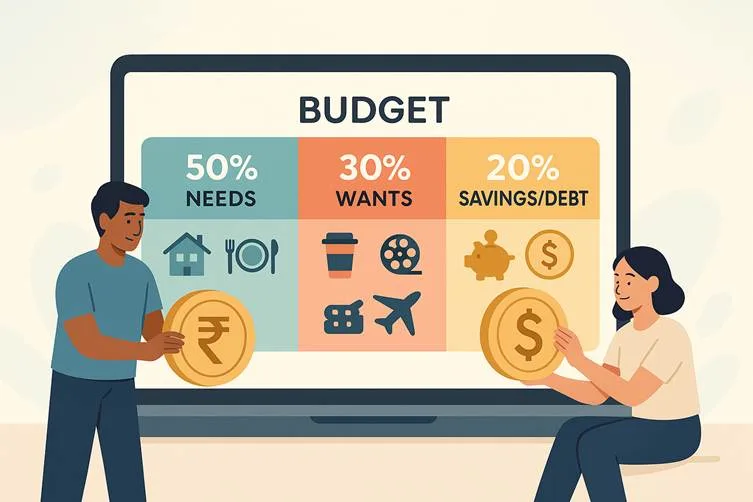
Start with a simple 50–30–20 rule (adapt it to your context)
Use percentages, not absolute amounts:
- 50% – Needs
- Rent/EMI, basic food, utilities, basic transport, school fees, minimum loan payments.
- 30% – Wants
- Eating out, streaming, travel, gadgets, fashion, entertainment.
- 20% – Future You
- Emergency fund, investments/SIPs, extra debt repayments, retirement funds.
In expensive cities (Mumbai, London, Singapore), “needs” may push to 60–65%. That’s fine. You can temporarily compress “wants” and still keep some joy.
The 7‑Day Money Autopsy
For one week:
- Track every rupee/dollar using an app or bank SMS/email alerts.
- Tag each expense as Need, Want – High Joy, or Want – Low Joy.
- Ask:
- Which “low‑joy wants” can I cut or downgrade for 3 months?
- How much can I redirect monthly towards savings or debt?
Behavioral research shows that when people preserve even a small category of “fun” spending, they’re more likely to stick with a plan long‑term.6
Step 3 – How Do You Handle Debt in India vs Other Countries?
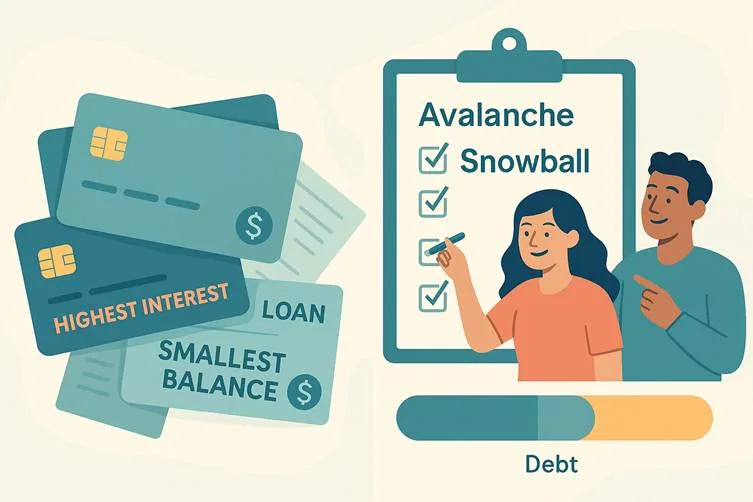
Debt looks different across borders:
- In the U.S., total household debt is about $17+ trillion, with average household credit card debt around $11,000.5
- In India, household liabilities hit about ₹18.8 lakh crore in 2023–24, nearly doubling in just a few years, driven by housing loans, personal loans, and credit cards.2
- Gold loans in India doubled in two years, hitting ₹2.08 lakh crore—families are literally borrowing against jewelry to handle cash crunches.2
Good debt vs bad debt (global view)
- Potentially productive debt:
- Home loans (sensible EMIs relative to income)
- Education loans (for degrees with real job prospects)
- Business loans (with a proper plan)
- Dangerous debt:
- High‑interest credit cards
- Consumer loans for gadgets, holidays, weddings
- Payday loans / loan apps with predatory interest
A universal debt‑freedom roadmap
- Stop taking new bad debt
- Freeze or limit card usage. Delete loan apps you can’t control.
- List all your debts
For each: lender, balance, interest rate, minimum payment, type (credit card, personal, gold loan, BNPL, etc.). - Choose a payoff strategy:
- Avalanche: Focus extra payments on the highest interest first (best mathematically).
- Snowball: Focus on the smallest balance first for quick wins (best psychologically).
Both methods have been shown to improve repayment behavior; Snowball often works better when motivation is low.6
- Consider consolidation (carefully)
- In India: personal loan at lower interest vs. multiple credit cards; top‑up home loans; legitimate gold loan restructuring.
- Globally: balance transfer cards, personal loans, credit unions.
Only consolidate if:
- Total cost (including fees) is lower, and
- You won’t re‑max the old credit lines.
- Automate and forget (almost)
- Auto‑debit for all minimums + a fixed extra amount to your “target” debt each month.
Step 4 – How Do You Build an Emergency Fund in India and Worldwide?
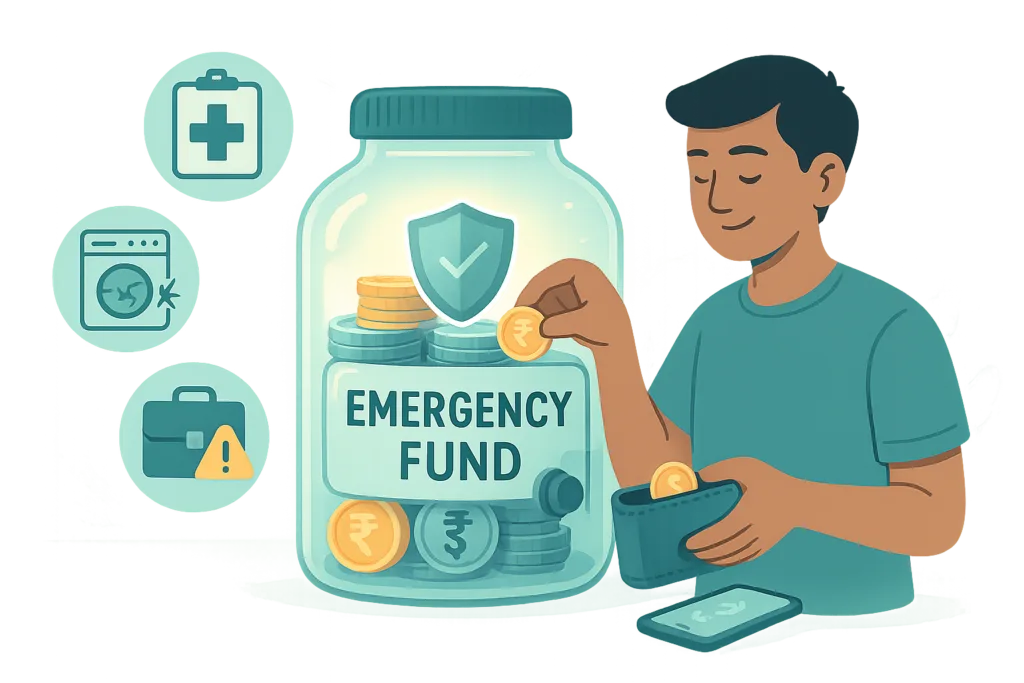
Emergencies don’t care about your pincode or postcode.
- Globally, households with at least three months of emergency savings are 2.5x more likely to weather income shocks without new debt.1
- In the U.S., 41% would struggle with a $1,000 emergency.1
- In India, a Business Standard survey of affluent & HNI Indians found about 40% lack a sufficient emergency fund.3
Emergency fund targets
Regardless of country:
- Starter goal:
- ₹25,000–₹75,000 in India, or /€500–\1,000 in many other regions (adjust for your cost of living).
- Core goal:
- 3 months of essential expenses (rent/EMI, groceries, utilities, fees, transport, basic healthcare).
- Advanced goal:
- 6–12 months if you’re self‑employed, in a volatile industry, or supporting dependants.
Where to park the fund
- India:
- High‑yield savings account (preferably separate from your main bank).
- Short‑term liquid mutual funds (for slightly higher returns with moderate risk, if you understand them).
- Global:
- High‑yield savings or money market account.
- Short‑duration cash or bond funds, depending on regulations.
Avoid locking emergency money into long FDs, PPF, NSC, or long lock‑ins where early withdrawal is painful.
How to build it when you’re already tight
- Automate micro‑savings
- Auto‑transfer a fixed amount each week (₹500–₹2,000, or $10–$50).
- Windfalls rule:
- Direct 50–80% of bonuses, tax refunds, side‑income, or gifts straight into your emergency fund until you hit your target.
- Temporary 90‑day austerity
- For 3 months only, cut one or two non‑essentials (luxury delivery, premium subscriptions, impulse shopping) and send that amount to savings.
Even small buffers significantly reduce reported financial stress across countries.17
Step 5 – How Do You Start Investing from India and the Rest of the World?
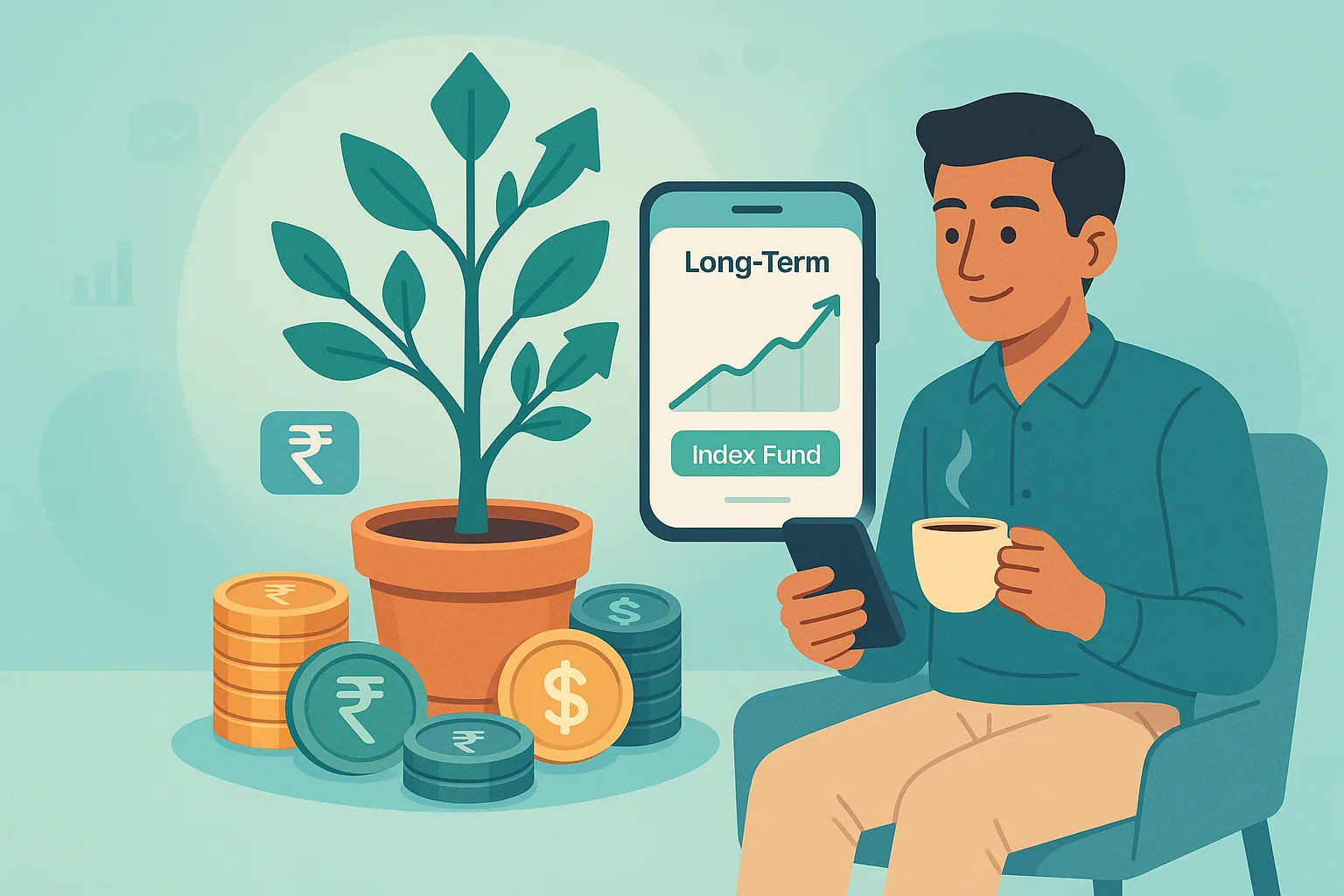
The global savings–investing gap
- In the U.S., personal saving rates fell sharply, with a 7–10% drop in 2024–25.5
- In India, household financial savings as % of GDP almost halved between 2020–21 and 2023–24, while liabilities climbed.2
Saving alone is not enough when inflation, fees, and currency risks are eating your future.
Global investing principles that travel well
- Start now, even with tiny amounts
- Compounding works the same in rupees and dollars: the earlier you start, the more magic.
- Understand inflation in your country
- If your typical return on savings is 3% and inflation is 5–6%, you’re quietly getting poorer.
- Focus on broad, low‑cost, diversified assets
- Stock index funds, ETFs, or diversified equity mutual funds.
- Bond or debt funds for stability.
- Match risk to time horizon
- Money you’ll need in 0–3 years: keep mostly in cash or ultra‑short‑term fixed income.
- 10+ year goals: higher equity allocation is usually reasonable for many people (not advice, but a general pattern).
Country‑specific examples (non‑exhaustive, not advice)
- India:
- Equity mutual funds / index funds: Nifty 50, Sensex, Nifty Next 50, diversified flexi‑cap funds via SIPs.
- Debt options: High‑quality debt funds, FDs, small savings schemes (PPF, NSC, Sukanya Samriddhi).
- Retirement: EPF, NPS, employer provident/pension schemes.
- Global (US/Europe/others):
- Broad ETFs like total market or S&P 500 in the U.S., MSCI World/ACWI in other markets.
- Retirement accounts: 401(k), IRA, Roth IRA, workplace pensions, ISAs, etc.
Wherever you are, regulations, taxes, and products differ—but principles of diversification, low cost, and long-term horizon hold up across borders.8
Step 6 – How Do You Protect Your Family Internationally?
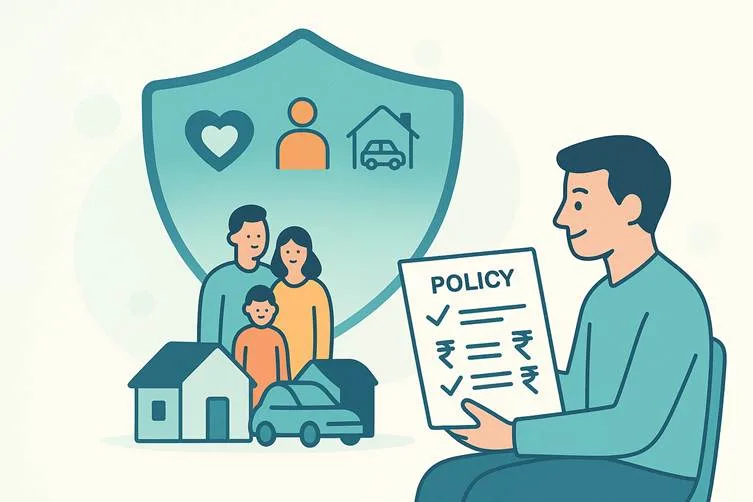
Personal finance isn’t only about growing money; it’s about not losing everything in one bad year.
Core protection layers (applies globally)
- Health insurance / medical cover
- In India: a combination of employer group cover + separate family floater policy is common.
- Globally: private or universal health systems; consider supplemental coverage where needed.
- Term life insurance
- If anyone depends on your income, pure term cover (no investment component) is often the most efficient way to protect them.
- Disability / income protection
- Often overlooked in India and emerging markets. Yet loss of income due to accident or illness is a major financial risk everywhere.
- Property & liability cover
- Home / renters insurance, motor insurance, personal liability where available.
Data from multiple countries shows households with basic insurance plus some savings are far more resilient to health or job shocks and far less likely to fall into high‑cost debt.17
Step 7 – How Do You Use Money to Build an “Elite” Lifestyle That’s Still Real?
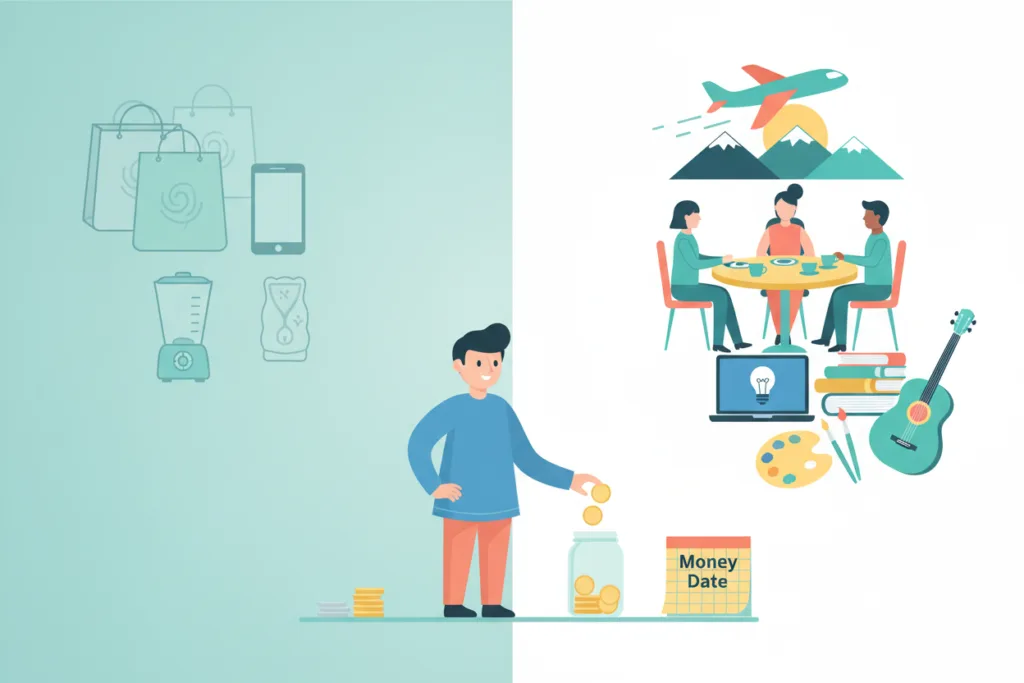
Whether you’re in a metro city or a second‑tier town, being “elite” financially has less to do with brands and more to do with options.
Spend less on signalling, more on substance
Across cultures, research finds:
- Spending on experiences and relationships yields more lasting happiness than random consumption.
- People who invest in skills and health tend to earn more and spend less on preventable problems later.6
So, re‑allocate:
- Cut or reduce:
- Status gadgets you don’t truly need
- “EMI lifestyle” for weddings, festivals, and social pressure
- Endless small, low‑joy purchases
- Spend more on:
- High‑quality nutrition and fitness
- Courses, certifications, books, and coaching that raise your earning power
- Shared experiences with people you care about
- Time‑saving tools and services that reduce daily friction
A global “Lord Lifestyle” checklist
Regardless of country, an authentically elite money life looks like:
- You understand your cash flow.
- You have an emergency buffer.
- You’re paying down high‑interest debt.
- You’re investing regularly for the long term.
- You’re protected against obvious risks.
- You spend intentionally on what truly matters to you, not what the algorithm or relatives say.
That’s personal finance as a global life skill, not a local survival hack.
FAQs
1. I’m in India. Are these steps still valid for me?
Yes. The principles are universal, but the products differ:
- Emergency fund → savings + liquid funds.
- Investing → mutual funds via SIP, index funds, NPS, EPF.
- Protection → health + term insurance, plus small savings.
What changes between India and the rest of the world is tax law, product names, and access—not the need for a budget, buffer, protection, and long‑term investing.
2. I don’t earn much yet. Is it worth thinking about investing?
Absolutely.
Global and Indian data both show that early financial education and simple saving habits increase long‑term stability and resilience.127 Even small monthly SIPs or auto‑transfers build the habit and benefit from compounding.
3. Should I focus on buying a house or investing in mutual/index funds?
It depends on:
- Your city’s rent vs EMI dynamic
- Job stability and mobility
- Your current debt level and emergency savings
In India, home ownership is cultural, but data suggests many households are now carrying large housing plus other loans at once.2 Globally and in India, a balanced approach—reasonable housing plus diversified investments—often works better than going “all in” on property.
4. How do I protect my finances from inflation?
Across countries, strategies include:
- Avoid holding too much long‑term cash at very low interest.
- Prefer inflation‑beating or at least inflation‑matching instruments:
- Equity mutual funds, index funds, real‑return products where available.
- In India, small savings schemes sometimes beat inflation in real terms.2
- Increase earning potential with new skills.
Countries with national savings rates above 30% and higher financial literacy tend to show greater financial resilience.1
5. I’m a woman in India (or a developing country). What should I prioritize?
Stats show women globally, and especially in India/Pakistan, have lower reported financial literacy and investment participation.1 Priorities:
- Get your own bank account and digital access.
- Learn basics of budgeting, credit, and investing.
- Start a small emergency fund that you control.
- If possible, secure health and term insurance in your own name.
Programs targeting women’s financial education have been shown to increase household savings by ~17% over two years.1
6. How can NRIs or people planning to move abroad use this?
The framework is completely portable:
- Emergency fund in destination currency.
- Global diversification through ETFs or funds listed in robust markets.
- Separate “home country” assets (e.g., property in India) from “destination country” cash flow planning.
You’ll need country-specific tax and regulation advice, but the 7‑step structure doesn’t change.
7. How can I teach my children about money in India or elsewhere?
Global research shows early financial education reduces bad debt and improves saving behavior later.14
Try:
- Pocket money split into “Spend / Save / Give” jars (or digital equivalents).
- Let them pay at the kirana / supermarket and compare prices.
- Use simple goal‑based savings: a toy, a trip, a book.
In India, you can even show them how small savings schemes, SIPs, or PPF grow over time to make compounding real.
References
- OECD. OECD/INFE 2023 International Survey of Adult Financial Literacy. OECD Business and Finance Policy Papers. Paris: OECD Publishing; 2023. Available from: https://www.oecd.org/en/publications/oecd-infe-2023-international-survey-of-adult-financial-literacy_56003a32-en.html
- Nogueira MC, Almeida L, Tavares FO. Financial Literacy, Financial Knowledge, and Financial Behaviors in OECD Countries. Journal of Risk and Financial Management. 2025;18(3):167. Available from: https://www.mdpi.com/1911-8074/18/3/167
- OECD. Household savings forecast (Household saving rate indicator). OECD Data Explorer; accessed 2025. Available from: https://www.oecd.org/en/data/indicators/household-savings-forecast.html
- Dash P, Ranjan R. Financial Literacy across Different States of India: An Empirical Analysis. RIS Discussion Paper No. 286. New Delhi: Research and Information System for Developing Countries; year as per report. Available from: https://www.ris.org.in/sites/default/files/Publication/DP-286-PDash-and-Rahul-Ranjan.pdf
- Mian AR, Sufi A, Verner E. Household Debt and Business Cycles Worldwide. NBER Working Paper No. 21581. Cambridge, MA: National Bureau of Economic Research; 2015. Non‑technical summary available from: https://www.nber.org/digest/jan16/household-debt-and-business-cycles-worldwide
- World Bank. World Development Indicators and Related Databases (GDP, household consumption, savings, debt and macro indicators). World Bank Open Data; accessed 2025. Available from: https://data.worldbank.org/indicator
Conclusion: Your Journey to Financial Joy Starts Now
Mastering personal finance isn’t about deprivation; it’s about empowerment, clarity, and aligning your money with your deepest values. By embracing these seven steps—from defining your unique money vision and building a budget that serves you, to strategically tackling debt, securing your future with an emergency fund and smart investments, protecting what matters with insurance, and finally, spending intentionally on what brings you true joy—you’re not just managing money; you’re crafting a life of purpose and peace.
Whether you’re navigating the dynamic economic landscape of India or the broader global financial currents, the principles remain universal: knowledge, discipline, and a proactive mindset are your most powerful assets. Start small, stay consistent, and celebrate every milestone. Your journey to financial mastery is a marathon, not a sprint, and every step forward is a victory. Embrace the process, and unlock a future where your finances support, rather than dictate, your joy.
Feeling Inspired?
Start your Lord Lifestyle journey here.
Disclaimer

This article is provided strictly for informational and educational purposes only. The content is not intended to replace professional medical advice, diagnosis, treatment, or healthcare services. Always consult with a qualified healthcare professional before making any health-related decisions, starting any new treatment, or discontinuing an existing treatment. Contact your healthcare provider immediately if you suspect you have a medical condition or emergency.
The information presented reflects the author’s research and opinion at the time of publication but may not be complete, accurate, or current. Lord Lifestyle makes no representations or warranties regarding the accuracy, reliability, or completeness of any information provided. Any action you take based on the information in this article is strictly at your own risk.
References to scientific studies, research, or statistics are not guarantees of efficacy or safety. Product recommendations, lifestyle suggestions, or wellness practices mentioned may not be suitable for everyone. Individual results may vary significantly based on personal health factors, genetics, and other variables beyond our control.
This article may contain sponsored content, affiliate links (through which we may earn commissions on qualifying purchases without any additional cost to you), or links to external websites over which we have no control. Such links do not constitute an endorsement of those websites, their content, or any products or services offered.
Lord Lifestyle and its authors, contributors, and affiliates expressly disclaim all liability for any damages, injuries, or losses that may result from the use or application of information contained in this article. By continuing to read, you acknowledge and accept these limitations and risks.
Copyright © 2025 Lord Lifestyle. All rights reserved. No part of this content may be reproduced, distributed, or transmitted in any form without prior written permission.
