


Having a sky-high IQ was once thought to be the ultimate key to success. After all, those with towering intellectual abilities can easily crunch numbers, grasp complex concepts, and outperform others on standardized tests.
Yet, in the real world, many famous geniuses with stratospheric IQs often struggle with basic human interactions, emotional regulation, and critical life skills.
From eccentric inventors who can’t hold a job to savant mathematicians unable to navigate relationships — high IQ isn’t always the incredible superpower it’s chalked up to be.
The truth? The world’s most successful billionaires like Richard Branson and Elon Musk didn’t get there just by relying on pure brainpower. What unlocked their extraordinary success was another genius — the genius of emotional intelligence.
I. What is Emotional Intelligence?
Emotional intelligence (EQ or EI) refers to the ability to recognize, understand, manage, and reason with emotions. It involves skills such as self-awareness, self-regulation, motivation, empathy, and social skills. Unlike IQ, which focuses solely on cognitive abilities, emotional intelligence encompasses the emotional, personal, and social dimensions of intelligence.
Emotional intelligence is the capacity to effectively perceive, evaluate, and respond to one’s own emotions and the emotions of others. It is a complex interplay of various competencies that allow individuals to navigate the social and emotional landscape of life successfully.
The Origins of Emotional Intelligence
The concept of emotional intelligence gained widespread attention in the 1990s with the publication of the book “Emotional Intelligence” by psychologists Peter Salovey and John D. Mayer. However, the roots of this concept can be traced back to earlier works by researchers such as Howard Gardner, who introduced the theory of multiple intelligences, and Edward Thorndike, who coined the term “social intelligence” in the 1920s.
Over the years, various models and frameworks have been developed to define and measure emotional intelligence, with the most widely recognized being the Mayer-Salovey model and the Goleman model.
II. Why is Emotional Intelligence Important?
Studies have shown that emotional intelligence plays a crucial role in various aspects of life, including:
– Academic and Professional Success
– Improved Relationships and Social Connections
– Better Mental and Physical Health
– Effective Leadership and Team Performance
– Enhanced Decision-making and Problem-solving Abilities
In fact, research suggests that emotional intelligence may be an even better predictor of success than traditional measures of intelligence (IQ).

A. How does Emotional Intelligence Impact Academic and Professional Success?
Individuals with high emotional intelligence tend to have better focus, concentration, and self-motivation, which can lead to better academic performance.
According to a study by the Yale Center for Emotional Intelligence, students with higher EQ scores showed improved academic achievement, better classroom behavior, and stronger leadership skills.
In the professional realm, emotional intelligence is associated with higher job satisfaction, better work relationships, and increased productivity. A study by the Hay Group found that:
employees with high EQ outperformed those with low EQ by a staggering 127%. Additionally, research by the Carnegie Institute of Technology revealed that 85% of financial success is due to factors related to emotional intelligence, such as communication, interpersonal skills, and self-confidence.
B. Can Emotional Intelligence Improve Relationships?
Absolutely! Emotional intelligence plays a vital role in building and maintaining healthy relationships. People with high EQ are better at empathizing, communicating effectively, managing conflicts, and fostering trust and intimacy.
According to a study by the University of California, Berkeley, couples with higher EQ reported greater marital satisfaction and better conflict resolution skills. They were more adept at understanding each other’s emotions, expressing their feelings constructively, and finding mutually beneficial solutions to disagreements.
In the workplace, emotional intelligence is crucial for fostering positive relationships with colleagues, clients, and stakeholders. Individuals with high EQ can navigate social dynamics more effectively, build rapport, and collaborate better with others.
III. The Components of Emotional Intelligence
Emotional intelligence comprises five main components, as outlined in the Mayer-Salovey model:
1. Self-awareness: The ability to recognize and understand one’s own emotions, strengths, weaknesses, and motivations. Self-awareness involves being attuned to your internal states, preferences, resources, and intuitions.
2. Self-regulation: The capacity to manage and control disruptive emotions and impulses effectively. Self-regulation involves the ability to stay composed, think clearly, and respond appropriately, even in challenging situations.
3. Motivation: The drive to achieve goals and persevere in the face of setbacks and obstacles. Individuals with high emotional intelligence are often intrinsically motivated and can channel their emotions toward productive endeavors.
4. Empathy: The ability to understand and share the feelings of others, fostering better social connections. Empathy involves recognizing and appreciating others’ perspectives, concerns, and emotions, and responding appropriately.
5. Social Skills: The proficiency in managing relationships, building rapport, and communicating effectively. Social skills include the ability to influence, inspire, and develop others, as well as resolve conflicts and foster cooperation.
Is Emotional Intelligence Innate or Can It Be Developed?
While some individuals may have a natural inclination towards emotional intelligence, it is a skill that can be learned and developed over time. Various strategies, such as mindfulness practices, cognitive-behavioral techniques, and emotional intelligence training programs, can help enhance emotional intelligence.
Research has shown that the brain has a remarkable ability to adapt and change, a phenomenon known as neuroplasticity. By engaging in activities that promote emotional intelligence, individuals can rewire their neural pathways and develop greater emotional competencies.
IV. The Benefits of Cultivating Emotional Intelligence
Developing emotional intelligence can have numerous benefits across various domains of life, including:
1. Improved Mental Health and Well-being:
Individuals with high emotional intelligence are better equipped to manage stress, regulate their emotions, and cultivate resilience. This can lead to lower rates of anxiety, depression, and other mental health issues. Additionally, emotional intelligence is associated with increased life satisfaction, happiness, and overall well-being.
2. Enhanced Communication and Conflict Resolution Skills:
Emotional intelligence enables individuals to communicate more effectively, listen actively, and understand nonverbal cues. This can lead to better interpersonal interactions, stronger relationships, and more effective conflict resolution strategies.
3. Better Stress Management and Resilience:
People with high emotional intelligence are adept at recognizing and managing their stress levels. They can employ coping mechanisms, such as reframing negative thoughts, practicing mindfulness, and seeking social support, which can promote resilience in the face of adversity.
4. Increased Empathy and Social Connections:
Emotional intelligence fosters empathy, which is the ability to understand and share the feelings of others. This can lead to stronger social bonds, better teamwork, and more meaningful connections with others.
5. Stronger Leadership and Team Collaboration:
Leaders with high emotional intelligence can inspire and motivate teams, manage conflicts effectively, and create a positive and productive work environment. They can also foster a culture of trust, open communication, and collaboration.
6. Greater Career Success and Job Satisfaction:
Emotional intelligence is a highly valued skill in the workplace, as it enables individuals to navigate complex social dynamics, build effective relationships, and manage their emotions in a professional setting. This can lead to greater career advancement opportunities and job satisfaction.
The Impact of Emotional Intelligence on Decision-Making and Problem-Solving
Emotional intelligence plays a crucial role in effective decision-making and problem-solving processes. Here’s how:
1. Self-awareness: Individuals with high self-awareness can recognize their own biases, assumptions, and emotional triggers, which can lead to more objective and rational decision-making.
2. Self-regulation: The ability to manage emotions and stay calm under pressure allows individuals to think clearly and make thoughtful decisions, even in stressful situations.
3. Empathy: Understanding others’ perspectives and emotions can provide valuable insights and help identify potential challenges or implications of a decision.
4. Social skills: Effective communication and collaboration skills are essential for gathering diverse viewpoints, facilitating productive discussions, and reaching mutually beneficial solutions.
5. Motivation: Emotionally intelligent individuals are often intrinsically motivated, which can drive them to persist in solving complex problems and overcoming obstacles.
Research has shown that individuals with high emotional intelligence are better at integrating emotions and reason, leading to more balanced and effective decision-making processes.
V. Developing Emotional Intelligence: Strategies and Techniques
While emotional intelligence is a multifaceted concept, it is a skill that can be developed and improved through various strategies and techniques. Here are some practical tips to enhance your emotional intelligence:
1. Practice Self-awareness:
– Regularly reflect on your emotions, triggers, and behavior patterns. Keep a journal or use mindfulness techniques to cultivate self-awareness.
– Seek feedback from trusted individuals to gain insights into your strengths, weaknesses, and blind spots.
– Engage in self-assessment exercises or take emotional intelligence assessments to identify areas for improvement.
2. Develop Empathy:
– Make an effort to understand others’ perspectives and emotions. Practice active listening and put yourself in their shoes.
– Expose yourself to diverse cultures, experiences, and viewpoints to broaden your understanding of human emotions and behaviors.
– Engage in empathy-building exercises, such as role-playing or imagining scenarios from different perspectives.
3. Manage Stress and Emotions:
– Learn stress management techniques, such as deep breathing, meditation, or exercise, to regulate your emotions effectively.
– Practice cognitive-behavioral techniques, such as reframing negative thoughts and challenging irrational beliefs.
– Develop healthy coping mechanisms.
4. Improve Communication Skills:
– Practice active listening by giving your full attention, avoiding interruptions, and seeking clarification when needed.
– Learn assertive communication techniques to express your thoughts and feelings in a clear, respectful manner.
– Study and practice nonverbal communication skills, such as body language, tone of voice, and facial expressions.
– Engage in role-playing exercises or join a public speaking group to enhance your communication abilities.
5. Seek Feedback:
– Ask for constructive feedback from trusted individuals (colleagues, friends, family) to identify areas for improvement and personal growth.
– Be open to feedback and view it as an opportunity for learning and development.
– Reflect on the feedback and develop an action plan to address the identified areas for improvement.
6. Embrace Challenges:
– Step out of your comfort zone and embrace new experiences and challenges to develop emotional resilience.
– Reflect on past challenges and how you navigated them, identifying successful strategies and areas for improvement.
– Reframe challenges as opportunities for growth and learning.
7. Cultivate Emotional Intelligence in the Workplace:
– Attend emotional intelligence training programs or workshops offered by your organization or external providers.
– Encourage open communication and create a safe environment for sharing emotions and concerns.
– Foster a culture of empathy and emotional awareness within your team or organization.
– Lead by example by demonstrating emotional intelligence in your interactions and decision-making processes.
8. Seek Professional Support:
– Consider working with a coach, counselor, or therapist who specializes in emotional intelligence development.
– Participate in group therapy or support groups to learn from others’ experiences and gain new perspectives.
– Explore resources such as books, podcasts, and online courses that focus on emotional intelligence and personal growth.
A. The Role of Emotional Intelligence in Leadership
Emotional intelligence is a critical competency for effective leadership. Leaders with high emotional intelligence can:
1. Build Trust and Inspire Others:
Emotionally intelligent leaders are self-aware, authentic, and able to connect with their team members on a deeper level. They can create a sense of purpose, inspire motivation, and foster a positive and productive work environment.
2. Manage Conflicts and Facilitate Collaboration:
Leaders with high EQ can navigate conflicts constructively, encouraging open communication and finding mutually beneficial solutions. They can also facilitate collaboration by understanding diverse perspectives and leveraging the strengths of their team members.
3. Adapt to Change and Foster Innovation:
Emotionally intelligent leaders are resilient and able to manage their own emotions and those of their team during times of change or uncertainty. They can create an environment that encourages creativity, risk-taking, and innovation.
4. Develop and Empower Others:
Leaders with strong emotional intelligence can identify and nurture the talents and potential of their team members. They can provide constructive feedback, mentor and coach others, and create opportunities for personal and professional growth.
5. Make Effective Decisions:
By integrating emotions and reason, emotionally intelligent leaders can make more balanced and informed decisions. They consider diverse perspectives, weigh the emotional impact of their choices, and navigate complex situations with greater clarity.
B. Emotional Intelligence and Mental Health
Emotional intelligence is closely linked to mental health and well-being.
Individuals with higher emotional intelligence are better equipped to manage stress, regulate their emotions, and cultivate resilience, which can protect against mental health issues like anxiety and depression.
Research has shown that emotional intelligence can:
1. Reduce Stress and Anxiety:
People with high EQ are better at recognizing and managing their stress levels, employing effective coping strategies, and maintaining a sense of perspective during challenging situations.
2. Improve Emotional Regulation:
Emotional intelligence involves the ability to identify, understand, and regulate emotions. This skill can help individuals manage intense emotions, such as anger or sadness, in a healthier and more constructive manner.
3. Foster Resilience:
Emotionally intelligent individuals are better able to bounce back from setbacks and adversities. They can reframe negative experiences, maintain a positive mindset, and draw upon their inner resources to cope with challenges.
4. Enhance Social Support:
Strong social connections and support systems are crucial for mental well-being. Individuals with high emotional intelligence are better at building and maintaining positive relationships, which can provide a valuable source of support during difficult times.
5. Increase Life Satisfaction and Happiness:
Emotional intelligence is associated with greater life satisfaction, happiness, and overall well-being. By understanding and managing emotions effectively, individuals can cultivate more positive emotional experiences and meaningful connections.
VI. Emotional Intelligence in Various Life Domains
Emotional intelligence is a valuable asset in various domains of life, including:

1. Relationships and Family:
Emotional intelligence plays a crucial role in building and maintaining healthy relationships with romantic partners, family members, and friends. Strong emotional skills can foster better communication, conflict resolution, empathy, and intimacy.
2. Parenting:
Emotionally intelligent parents are better equipped to understand and respond to their children’s emotional needs. They can create a nurturing environment, model healthy emotional expression, and teach their children valuable emotional skills.
3. Education:
Emotional intelligence is increasingly recognized as an important factor in academic success. Students with higher EQ tend to have better focus, self-motivation, and ability to manage stress and emotions, which can contribute to better academic performance and overall well-being.
4. Healthcare:
In the healthcare field, emotional intelligence is essential for building trust and empathy with patients, managing stress and emotion in high-pressure situations, and fostering effective teamwork and communication among healthcare professionals.
5. Sales and Customer Service:
Emotional intelligence can be a valuable asset in sales and customer service roles. Individuals with high EQ can better understand and connect with clients, build rapport, and tailor their approach to meet the emotional needs of their customers.
6. Entrepreneurship and Business:
Successful entrepreneurs and business leaders often possess strong emotional intelligence, which enables them to navigate complex social dynamics, inspire and motivate teams, make informed decisions, and adapt to changing market conditions.
VII. Addressing Common Misconceptions about Emotional Intelligence
Despite its increasing recognition and importance, there are several misconceptions surrounding emotional intelligence that need to be addressed:
1. Myth: Emotional Intelligence is the Same as Being Nice or Agreeable
Reality: While emotional intelligence involves empathy and social skills, it is not the same as being overly passive or agreeable. Emotionally intelligent individuals can be assertive and express their emotions and boundaries in a healthy and respectful manner.
2. Myth: Emotional Intelligence is a Soft Skill, Unimportant for Success
Reality: Numerous studies have demonstrated the significant impact of emotional intelligence on various aspects of life, including academic and professional success, leadership effectiveness, and overall well-being. Emotional intelligence is a critical skill that complements cognitive abilities.
3. Myth: Emotional Intelligence Cannot Be Learned or Developed
Reality: While some individuals may have a natural inclination towards emotional intelligence, it is a skill that can be learned and developed through various strategies and techniques, such as self-awareness practices, emotional regulation exercises, and emotional intelligence training programs.
4. Myth: Emotional Intelligence is More Important for Women
Reality: Emotional intelligence is equally important for individuals of all genders. While there may be societal stereotypes or expectations, emotional intelligence is a valuable asset for everyone, regardless of gender.
5. Myth: Emotional Intelligence is Just About Controlling Emotions
Reality: Emotional intelligence is a multifaceted concept that involves various competencies, including self-awareness, self-regulation, motivation, empathy, and social skills. It is not just about suppressing or controlling emotions but rather about understanding and managing them in a healthy and productive manner.
VIII. Integrating Emotional Intelligence into Personal and Professional Development
To fully harness the power of emotional intelligence, it is essential to integrate it into personal and professional development strategies. Here are some recommendations:
1. Conduct a Self-Assessment:
Begin by conducting a self-assessment to evaluate your current emotional intelligence levels. This can involve taking standardized assessments, such as the Mayer-Salovey-Caruso Emotional Intelligence Test (MSCEIT) or the Emotional Quotient Inventory (EQ-i), or engaging in self-reflection exercises.
2. Set Specific Goals:
Based on your self-assessment, identify areas for improvement and set specific, measurable, and achievable goals for developing your emotional intelligence competencies.
3. Create a Development Plan:
Develop a comprehensive plan that outlines the strategies, techniques, and resources you will utilize to enhance your emotional intelligence. This may include attending workshops, seeking coaching or mentorship, engaging in self-study, or joining a support group.
4. Integrate Emotional Intelligence into Daily Life:
Make emotional intelligence a habit by consciously practicing and applying emotional skills in your daily interactions and activities. This can include mindfulness exercises, journaling, active listening, and seeking feedback from others.
5. Continuously Learn and Adapt:
Emotional intelligence development is an ongoing process. Continuously seek new knowledge, resources, and experiences to deepen your understanding and application of emotional intelligence principles.
6. Seek Support and Accountability:
Building emotional intelligence can be challenging, and having a support system can be invaluable. Consider joining a group or finding an accountability partner who can provide encouragement, feedback, and motivation throughout your journey.
7. Lead by Example:
If you are in a leadership or managerial role, it is crucial to model emotional intelligence in your interactions and decision-making processes. This can inspire and motivate others to develop their own emotional competencies and create a culture of emotional awareness and emotional intelligence within the organization.
8. Continuous Learning and Development:
Emotional intelligence is not a static concept; it evolves as individuals and organizations grow and face new challenges. Encourage continuous learning and development opportunities, such as workshops, seminars, or mentorship programs, to ensure that emotional intelligence remains a priority within the organization.
9. Incorporate Emotional Intelligence into Hiring and Talent Development:
Consider emotional intelligence as a critical factor in hiring and talent development processes. Assess emotional intelligence competencies during interviews, and provide training and development opportunities to help employees enhance their emotional skills.
10. Measure and Track Progress:
Regularly assess and track the progress of emotional intelligence development initiatives within your organization. Collect feedback, measure performance indicators, and use data-driven insights to refine and optimize your emotional intelligence strategies.
IX. The Future of Emotional Intelligence
As our understanding of emotional intelligence continues to evolve, several trends and developments are shaping its future:
1. Increased Recognition and Integration in Education:
There is a growing movement to incorporate emotional intelligence education into school curricula, recognizing its importance in academic success, social-emotional development, and overall well-being of students.
2. Advancements in Emotional Intelligence Assessment and Measurement:
With the advancement of technology and data analytics, new methods and tools are emerging to assess and measure emotional intelligence more accurately and comprehensively, providing valuable insights for personal and professional development.
3. Emotional Intelligence and Artificial Intelligence:
As artificial intelligence (AI) systems become more advanced, there is increasing interest in integrating emotional intelligence capabilities into AI technologies. This could have implications for fields such as healthcare, customer service, and human-machine interaction.
4. Emotional Intelligence in the Workplace:
Organizations are increasingly recognizing the value of emotional intelligence in fostering a positive and productive work environment, effective leadership, and successful team collaboration. This is driving the demand for emotional intelligence training and development programs in the corporate world.
5. Emotional Intelligence and Mental Health:
The relationship between emotional intelligence and mental health is becoming an area of significant research and exploration. Developing emotional skills may be a key component in promoting mental well-being, resilience, and effective coping strategies.
6. Cross-Cultural Perspectives on Emotional Intelligence:
As the world becomes increasingly interconnected, there is a growing need to understand and appreciate cultural differences in the expression, perception, and management of emotions. This is leading to a deeper exploration of cross-cultural perspectives on emotional intelligence.
7. Neuroscience and Emotional Intelligence:
Advances in neuroscience are providing new insights into the neural mechanisms underlying emotional intelligence, potentially leading to more targeted and effective interventions for developing emotional skills.
X. Emotional Intelligence in the Digital Age

In today’s digital age, where much of our communication and interaction takes place through screens and virtual channels, emotional intelligence plays an increasingly crucial role. Here are some ways emotional intelligence can be applied in the digital realm:
1. Virtual Communication and Collaboration:
As remote work and virtual teams become more prevalent, emotional intelligence skills such as active listening, empathy, and effective communication are essential for building trust, fostering collaboration, and ensuring productive virtual interactions.
2. Social Media and Online Presence:
Emotional intelligence can help individuals navigate the complexities of social media and online interactions. Self-awareness, emotional regulation, and empathy can guide appropriate behavior, prevent misunderstandings, and promote positive online engagement.
3. Digital Emotional Expression:
With the rise of digital communication tools, emoticons, emojis, and other visual cues have become important ways of expressing emotions online. Emotionally intelligent individuals can effectively use and interpret these digital emotional expressions to enhance communication and build better connections.
4. Online Customer Service and Support:
In the realm of online customer service and support, emotional intelligence is invaluable. Understanding customer emotions, responding with empathy, and managing emotions effectively can lead to better customer satisfaction and loyalty.
5. Digital Marketing and Advertising:
Emotionally intelligent marketing strategies that tap into human emotions and create authentic connections can be more effective in the digital landscape. Understanding customer emotions and tailoring campaigns accordingly can improve engagement and conversions.
6. Cyberbullying and Online Harassment:
Emotional intelligence skills, such as self-awareness, self-regulation, and empathy, can help individuals recognize and address cyberbullying and online harassment more effectively, promoting healthier online interactions and communities.
7. Digital Well-being and Balance:
In an age of constant digital connectivity, emotional intelligence can help individuals maintain a healthy balance between their online and offline lives. Self-awareness and self-regulation can prevent digital addiction and promote mindful use of technology.
XI. Cultivating Emotional Intelligence in Children and Youth
Developing emotional intelligence from an early age can have profound benefits for children and youth, including:
1. Improved Academic Performance:
Children with higher emotional intelligence tend to have better focus, self-motivation, and ability to manage stress and emotions, which can contribute to better academic performance and overall well-being.
2. Stronger Social and Emotional Development:
Emotional intelligence skills such as self-awareness, empathy, and social skills can help children navigate social situations, build healthier relationships, and develop effective communication abilities.
3. Increased Resilience and Coping Mechanisms:
Children with emotional intelligence are better equipped to manage emotions, cope with challenges, and bounce back from adversities, fostering resilience and overall mental well-being.
4. Reduced Behavioral Issues and Conflicts:
Emotional intelligence can help children and youth better understand and regulate their emotions, leading to a reduction in behavioral issues, conflicts, and disciplinary problems.
5. Preparation for Future Success:
By developing emotional intelligence from an early age, children and youth can cultivate valuable life skills that will benefit them in their future academic, personal, and professional endeavors.
To foster emotional intelligence in children and youth, parents, educators, and caregivers can:
– Model and demonstrate emotional intelligence in their own behaviors and interactions.
– Incorporate emotional intelligence education and activities into school curricula and extracurricular programs.
– Encourage open communication, emotional expression, and active listening within the family and classroom environments.
– Provide opportunities for children to practice empathy, conflict resolution, and problem-solving skills.
-Celebrate and reinforce emotional intelligence milestones and achievements.
XII. Emotional Intelligence and Diversity, Equity, and Inclusion
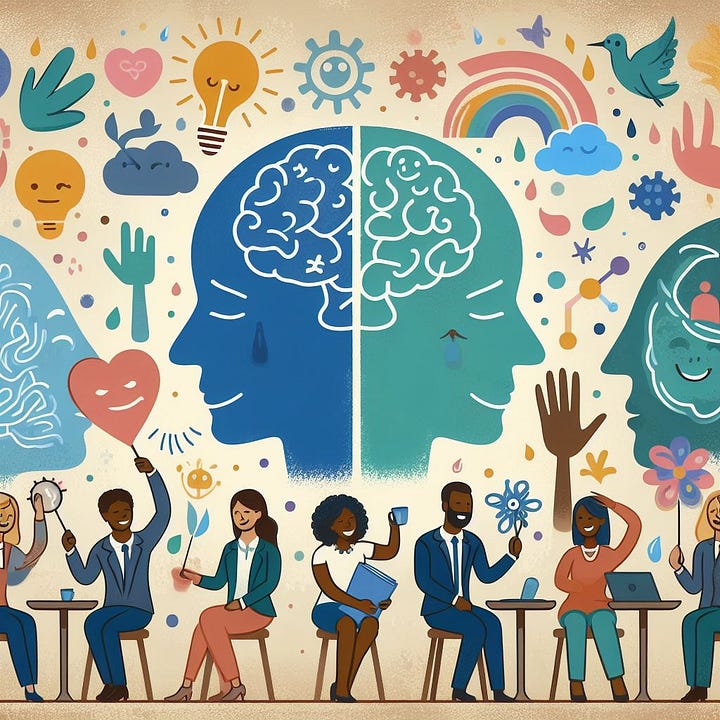
Emotional intelligence plays a crucial role in promoting diversity, equity, and inclusion (DEI) in various settings, such as workplaces, educational institutions, and communities. Here’s how emotional intelligence can support DEI efforts:
1. Fostering Empathy and Understanding:
Emotional intelligence cultivates empathy, which is the ability to understand and share the feelings of others. This empathy can help individuals appreciate diverse perspectives, experiences, and backgrounds, reducing biases and promoting inclusive behaviors.
2. Effective Communication and Conflict Resolution:
Strong emotional intelligence skills, such as active listening, assertive communication, and conflict resolution strategies, can facilitate open and respectful dialogue around sensitive DEI topics, enabling constructive conversations and problem-solving.
3. Building Inclusive and Supportive Environments:
Emotionally intelligent leaders and team members can create inclusive and supportive environments by demonstrating self-awareness, empathy, and emotional regulation. This can foster a sense of belonging, psychological safety, and trust among diverse individuals and groups.
4. Promoting Cultural Competence:
Emotional intelligence can enhance cultural competence by helping individuals recognize and understand cultural differences in emotional expression, communication styles, and social norms. This awareness can facilitate more effective cross-cultural interactions and collaborations.
5. Addressing Unconscious Biases and Microaggressions:
Self-awareness, a key component of emotional intelligence, can help individuals identify and address their own unconscious biases and microaggressions, leading to more equitable and inclusive behaviors and practices.
By integrating emotional intelligence into DEI initiatives, organizations and communities can create more inclusive, respectful, and psychologically safe environments that celebrate diversity and promote equitable opportunities for all individuals.
Conclusion
Emotional intelligence (EI) is a dynamic and potent skill that significantly influences our personal and professional spheres, enhancing relationships, mental health, and success. It encompasses self-awareness, self-regulation, motivation, empathy, and social skills, which are crucial for resilience, connection, and growth.
In today’s digital era, EI is indispensable for effective communication, managing online interactions, and fostering digital well-being. It’s particularly beneficial when developed early, setting the stage for children’s academic and social-emotional development, resilience, and future readiness.
Investing in EI means investing in a journey of self-discovery and lifelong learning, leading to a deeper understanding of oneself and others, and a more rewarding life. As we evolve, so does our EI, adapting to new challenges and enriching our experiences.
Embrace EI to unlock your potential and thrive across all life’s dimensions, including diversity, equity, and inclusion initiatives. Remember, it’s never too late to develop this invaluable skill and reap its myriad benefits.
Frequently Asked Questions (FAQs)
1. Q: Can emotional intelligence be measured?
A: Yes, there are various assessments and tests available to measure emotional intelligence, such as the Mayer-Salovey-Caruso Emotional Intelligence Test (MSCEIT) and the Emotional Quotient Inventory (EQ-i). These assessments evaluate different components of emotional intelligence, providing insights into an individual’s strengths and areas for improvement.
2. Q: Is emotional intelligence more important than IQ?
A: While IQ is important for certain cognitive abilities, emotional intelligence plays a crucial role in overall success and well-being. Research suggests that emotional intelligence may be a better predictor of success than IQ alone, particularly in domains that involve interpersonal relationships, leadership, and decision-making.
3. Q: Can emotional intelligence be taught in schools?
A: Yes, many schools and educational institutions have implemented programs and curricula to teach emotional intelligence skills to students, helping them develop self-awareness, empathy, and social skills from an early age. Incorporating emotional intelligence education can have a positive impact on academic performance, social-emotional development, and overall well-being.
4. Q: Can emotional intelligence help in leadership roles?
A: Absolutely. Emotional intelligence is a critical competency for effective leadership. Leaders with high emotional intelligence can inspire and motivate teams, manage conflicts effectively, foster a positive and productive work environment, and make informed decisions that consider diverse perspectives and emotional impacts.
5. Q: Can emotional intelligence be improved at any age?
A: Yes, emotional intelligence can be developed and improved at any age. While it may be easier to cultivate these skills at a younger age, adults can also benefit from emotional intelligence training and practice. The human brain has remarkable plasticity, allowing individuals to develop new neural pathways and enhance their emotional competencies throughout their lives.
6. Q: How does emotional intelligence relate to mental health?
A: Emotional intelligence is closely linked to mental health. Individuals with higher emotional intelligence tend to have better emotional regulation, stress management, and resilience, which can protect against mental health issues like anxiety and depression. Additionally, emotional intelligence can foster social support, increase life satisfaction, and promote overall well-being.
7. Q: Can emotional intelligence help in decision-making?
A: Yes, emotional intelligence plays a crucial role in effective decision-making. People with high emotional intelligence can better understand and manage their emotions, consider multiple perspectives, integrate emotions and reason, and make more balanced and informed decisions, even in complex or high-pressure situations.
8. Q: Is emotional intelligence relevant in all cultures?
A: While the expression and interpretation of emotions may vary across cultures, the core components of emotional intelligence, such as self-awareness, self-regulation, and empathy, are universally relevant and valuable. However, it is essential to consider cultural contexts and develop a deeper understanding of cross-cultural perspectives on emotional intelligence.
9. Q: Can emotional intelligence be faked or manipulated?
A: While it is possible to temporarily mimic certain behaviors associated with emotional intelligence, genuine emotional intelligence involves a deep understanding and integration of these skills. Faking or manipulating emotional intelligence is difficult to sustain over time, as it requires authentic self-awareness, empathy, and emotional regulation.
10. Q: How can emotional intelligence be developed in the workplace?
A: Organizations can implement emotional intelligence training programs, encourage open communication, provide feedback and coaching, and foster a culture that values emotional intelligence. Leaders should model and demonstrate emotional intelligence in their interactions and decision-making processes. Additionally, emotional intelligence can be incorporated into hiring and talent development processes.
Feeling Inspired?
Start your Lord Lifestyle journey here.
Disclaimer: This article is for informational and educational purposes only. It is not intended to provide medical advice or to diagnose, treat, cure, or prevent any disease. You should always consult your doctor before taking any supplement or drug, especially if you have any medical conditions or take any medications. You should also do your own research and verify the information and claims made in this article. We are not responsible for any adverse effects or consequences that may result from using any of the products or information mentioned in this article. Use at your own risk and discretion.
This article may contain sponsored/affiliate links and links to external sites.
