


In our fast-paced, stress-filled lives, finding a moment of peace and inner balance can seem like an elusive dream.
However, the ancient practice of yoga offers a gateway to holistic well-being, allowing you to harmonize your mind, body, and spirit.
Yoga is more than just a physical exercise; it’s a transformative journey that unveils the profound connection between your physical, mental, and emotional realms. Join us as we explore the life-changing power of yoga and how it can elevate your overall well-being.
I. What is Yoga, and Why Should You Consider It?
Originating in ancient India, yoga is a multifaceted practice that combines physical postures (asanas), breathing exercises (pranayama), meditation, and ethical principles. While often perceived as merely a form of exercise, yoga encompasses a holistic approach to life, promoting harmony within and without. By integrating physical movements with mindful breathing and meditation, yoga cultivates a heightened sense of self-awareness, reduces stress, and fosters a profound connection with your innermost being.
The roots of yoga can be traced back to the Indus Valley Civilization, around 3000 BCE, where archaeological evidence suggests the existence of yoga-like practices.
However, it was in the classical period, around the 2nd century BCE, that the foundational text of yoga, the Yoga Sutras, was compiled by the sage Patanjali. This seminal work outlines the eight limbs of yoga, providing a comprehensive framework for living a purposeful and harmonious life.
The Eight Limbs of Yoga: A Path to Self-Realization
Patanjali’s Yoga Sutras introduce the eight limbs of yoga, each serving as a guiding principle for personal growth and self-realization. These limbs are:
1. Yama (Ethical Disciplines): This limb encompasses five virtues — non-violence, truthfulness, non-stealing, continence, and non-covetousness — that promote a harmonious existence with oneself and others.
2. Niyama (Self-Discipline): Niyama consists of five practices — purity, contentment, austerity, self-study, and surrender to a higher power — that cultivate self-discipline and inner growth.
3. Asana (Physical Postures): Asanas are the physical postures that promote strength, flexibility, and balance, preparing the body for deeper spiritual practices.
4. Pranayama (Breath Control): Pranayama involves various breathing techniques that regulate the life force (prana) and promote mental clarity and emotional stability.
5. Pratyahara (Sense Withdrawal): This limb focuses on withdrawing the senses from external stimuli, enabling a heightened state of self-awareness and introspection.
6. Dharana (Focused Concentration): Dharana involves training the mind to focus and concentrate on a single point, laying the foundation for meditation.
7. Dhyana (Meditation): Dhyana is the practice of sustained, uninterrupted meditation, leading to a state of profound inner stillness and awareness.
8. Samadhi (Enlightenment): Samadhi is the ultimate goal of yoga, a state of complete absorption and unity with the divine, where the individual self merges with the universal consciousness.
While the physical practice of asanas (postures) is often the entry point for many, the true essence of yoga lies in the holistic integration of all eight limbs, guiding practitioners towards self-realization and spiritual enlightenment.
II. The Physical Benefits of Yoga: Strength, Flexibility, and Balance

Contrary to popular belief, yoga is not solely about flexibility. Through a series of carefully designed postures, yoga targets various muscle groups, promoting strength, endurance, and balance. The low-impact nature of yoga makes it accessible to individuals of all ages and fitness levels, allowing you to gradually build physical resilience and confidence in your body’s capabilities.
A. Improved Strength and Muscle Tone
While some yoga styles, like Hatha and Restorative, are gentle and focused on relaxation, others, such as Ashtanga and Power Yoga, offer a more vigorous and physically demanding practice. These dynamic styles involve flowing sequences of postures that engage multiple muscle groups, building strength, endurance, and muscle tone.
One of the hallmarks of yoga is the emphasis on body weight exercises, which can be highly effective in building functional strength. Poses like Chaturanga Dandasana (Plank Pose) and Navasana (Boat Pose) challenge your core, arms, and legs, while standing poses like Virabhadrasana (Warrior Pose) and Utkatasana (Chair Pose) build lower body strength.
Additionally, yoga incorporates isometric contractions, where muscles are engaged and held in static positions, promoting strength and stability. This is particularly evident in poses like Plank and Side Plank, which require intense core engagement and upper body strength.
B. Increased Flexibility and Range of Motion
While strength and muscle tone are essential components of yoga, flexibility is arguably one of its most well-known benefits. Through a combination of static and dynamic stretching, yoga gradually increases the range of motion in your joints and improves overall flexibility.
Poses like Paschimottanasana (Seated Forward Bend) and Upavista Konasana (Wide-Legged Forward Bend) target the hamstrings, while backbends like Ustrasana (Camel Pose) and Bhujangasana (Cobra Pose) open up the chest, shoulders, and spine. Regular practice of these postures can alleviate muscle tightness and improve mobility, reducing the risk of injury and enhancing overall physical performance.
Moreover, yoga emphasizes the practice of conscious breathing, which can further enhance flexibility. Deep, controlled breaths encourage the release of tension and facilitate a deeper stretch, allowing muscles to lengthen and relax more effectively.
C. Improved Balance and Proprioception
Balance and proprioception (the awareness of one’s body in space) are essential components of physical well-being, and yoga excels in cultivating these attributes. Many yoga poses challenge your balance and stability, such as Vrikshasana (Tree Pose), Ardha Chandrasana (Half-Moon Pose), and Bakasana (Crow Pose).
By repeatedly engaging in these postures, you train your body to maintain equilibrium and develop a heightened sense of proprioception. This not only improves your overall balance and coordination but also reduces the risk of falls and injuries, particularly as you age.
Furthermore, yoga’s emphasis on mindfulness and body awareness plays a crucial role in enhancing proprioception. As you practice yoga, you learn to tune into subtle shifts in your body’s alignment and make necessary adjustments, cultivating a deeper connection between your mind and physical form.
III. Yoga for Mental Clarity and Emotional Well-being

Beyond the physical realm, yoga has a profound impact on our mental and emotional states.
The practice encourages mindfulness, the art of being fully present in the moment, which can alleviate anxiety, reduce rumination, and cultivate a sense of inner peace.
Furthermore, the deep breathing techniques employed in yoga have been scientifically proven to lower stress levels, promote relaxation, and enhance overall emotional well-being.
A. Mindfulness and Present-Moment Awareness
At the core of yoga lies the practice of mindfulness, the act of being fully present in the current moment, without judgment or attachment to thoughts or emotions. This state of present-moment awareness cultivated through yoga can have profound effects on our mental well-being.
During a yoga session, you are encouraged to focus your attention on the physical sensations of your body, the rhythm of your breath, and the flow of movements. This intentional shift away from the constant chatter of the mind can alleviate stress, anxiety, and rumination, fostering a sense of calm and clarity.
Moreover, the non-judgmental approach of mindfulness can help you develop a more compassionate and accepting relationship with yourself. By observing your thoughts and emotions without getting caught up in them, you learn to let go of self-criticism and embrace your experiences with greater equanimity.
B. Stress Reduction and Emotional Regulation
Numerous studies have demonstrated the efficacy of yoga in reducing stress and promoting emotional regulation. The combination of physical postures, controlled breathing, and meditation activates the parasympathetic nervous system, which is responsible for the body’s rest and digest response.
This counteracts the effects of the sympathetic nervous system, which is associated with the fight-or-flight response and heightened stress levels. By inducing a relaxation response, yoga can lower levels of the stress hormone cortisol, reduce blood pressure, and promote a general sense of calm and well-being.
Additionally, the deep breathing techniques practiced in yoga, such as Alternate Nostril Breathing (Nadi Shodhana) and Breath Counting (Anuloma Viloma), can have a profound impact on emotional regulation. These practices activate the parasympathetic nervous system, promoting a sense of calm and relaxation.
Furthermore, yogic breathing exercises have been shown to increase heart rate variability (HRV), which is a measure of the variation in time between heartbeats. Higher HRV is associated with better stress resilience and emotional regulation, as it indicates greater flexibility and adaptability within the autonomic nervous system.
C. Improved Focus and Concentration
In our fast-paced, constantly distracted world, the ability to maintain focus and concentration can be a significant challenge. Yoga can serve as a powerful tool to enhance these cognitive abilities, not only during practice but also in daily life.
During a yoga session, practitioners are encouraged to maintain a single-pointed focus, whether on their breath, a specific body part, or a mantra (a sacred word or phrase). This intentional redirection of attention away from the constant chatter of the mind can improve concentration and mental clarity.
Moreover, certain yoga styles, such as Ashtanga and Vinyasa, involve complex sequences of postures that demand sustained focus and present-moment awareness. By consistently practicing these sequences, individuals can train their minds to stay focused and attentive, even in the face of distractions.
D. Increased Self-Awareness and Self-Acceptance
Yoga is not merely a physical practice; it is a journey of self-discovery and self-acceptance. Through the integration of breath, movement, and mindfulness, practitioners develop a heightened awareness of their thoughts, emotions, and physical sensations.
This heightened self-awareness can foster a deeper understanding of one’s strengths, limitations, and habitual patterns, both on and off the mat. By cultivating a non-judgmental attitude towards these observations, individuals can learn to embrace themselves with greater compassion and acceptance.
Furthermore, the ethical principles of yoga, such as non-violence (ahimsa) and self-study (svadhyaya), encourage practitioners to look inward and reflect on their values, beliefs, and actions. This introspective process can lead to greater self-knowledge, personal growth, and a more authentic way of being in the world.
IV. The Yogic Path: A Journey of Self-Discovery

Yoga is not merely a physical practice; it is a holistic way of life that encourages self-exploration and personal growth. Through the integration of ethical principles (yamas and niyamas), yoga prompts you to cultivate virtues such as non-violence, truthfulness, and self-discipline. As you progress on your yogic journey, you may find yourself developing a deeper understanding of your innermost desires, values, and purpose in life.
A. The Yamas: Universal Ethical Principles
The first limb of yoga, the Yamas, outlines five universal ethical principles that serve as guidelines for living in harmony with oneself and others. These principles are:
1. Ahimsa (Non-Violence): This principle encourages practitioners to cultivate a mindset of non-harm and compassion towards all living beings, including oneself.
2. Satya (Truthfulness): Satya emphasizes the importance of honesty, authenticity, and integrity in thoughts, words, and actions.
3. Asteya (Non-Stealing): Beyond the literal interpretation of not taking what is not given, Asteya encourages individuals to cultivate a mindset of abundance and contentment.
4. Brahmacharya (Continence): This principle promotes the responsible use of energy, whether physical, mental, or sexual, and encourages moderation and self-control.
5. Aparigraha (Non-Possessiveness): Aparigraha encourages practitioners to let go of excessive attachment to material possessions, relationships, or emotions, fostering a sense of freedom and inner peace.
B. The Niyamas: Personal Observances
Complementing the Yamas, the Niyamas are personal observances or practices that promote self-discipline and inner growth. These five Niyamas are:
1. Saucha (Purity): Saucha emphasizes the importance of cultivating purity in one’s thoughts, words, actions, and environment, both internally and externally.
2. Santosha (Contentment): This principle encourages practitioners to find contentment and gratitude in the present moment, regardless of external circumstances.
3. Tapas (Discipline): Tapas represents the commitment and discipline required to persevere in one’s spiritual journey, embracing challenges as opportunities for growth.
4. Svadhyaya (Self-Study): Svadhyaya encourages the study of sacred texts, introspection, and self-reflection, fostering a deeper understanding of oneself and the world around us.
5. Ishvara Pranidhana (Surrender to a Higher Power): This principle promotes the recognition of a higher intelligence or divine force, and the surrender of one’s ego and attachments to this greater consciousness.
C. Finding Your Dharma: Discovering Your Life’s Purpose
One of the profound aspects of the yogic path is the exploration of one’s Dharma, or life’s purpose. Through the practices of yoga, individuals are encouraged to look inward, reflect on their values, passions, and unique talents, and align their actions with their true calling.
This journey of self-discovery can be facilitated by the principles of Svadhyaya (self-study) and Tapas (discipline). By engaging in introspective practices, such as journaling, meditation, and self-inquiry, individuals can gain insights into their innermost desires and the unique gifts they have to offer the world.
Additionally, the yogic emphasis on non-attachment (Aparigraha) and contentment (Santosha) can help individuals let go of societal expectations or external pressures, allowing them to listen to their inner voice and follow their authentic path.
V. The Benefits of Regular Yoga Practice

Numerous scientific studies have unveiled the myriad benefits of regular yoga practice, including:
– Improved flexibility and range of motion
– Increased muscle strength and tone
– Better posture and balance
– Reduced risk of injury
– Lower blood pressure and improved cardiovascular health
– Enhanced sleep quality
– Reduced symptoms of depression and anxiety
– Improved focus and concentration
– Increased self-awareness and mindfulness
Let’s delve deeper into some of these remarkable benefits and explore the scientific evidence behind them:-
A. Yoga and Cardiovascular Health
Regular yoga practice has been shown to have a positive impact on cardiovascular health, helping to lower blood pressure, improve heart rate variability, and reduce the risk of heart disease.
A study published in the European Journal of Preventive Cardiology found that individuals who practiced yoga for three months experienced a significant decrease in blood pressure, as well as improvements in other cardiovascular risk factors, such as body mass index (BMI) and cholesterol levels.
Another study published in the International Journal of Cardiology demonstrated that yoga practice can increase heart rate variability (HRV), a measure of the autonomic nervous system’s ability to adapt to changing physiological demands. Higher HRV is associated with better cardiovascular health and a lower risk of heart disease.
B. Yoga and Mental Health
The mental health benefits of yoga have been extensively studied and well-documented. Numerous research studies have shown that regular yoga practice can effectively reduce symptoms of depression, anxiety, and stress, while also improving overall mood and emotional well-being.
A meta-analysis published in the Journal of Alternative and Complementary Medicine examined the effects of yoga on depression, anxiety, and sleep disorders. The researchers found that yoga interventions were associated with significant reductions in symptoms of depression and anxiety, as well as improvements in sleep quality.
The mind-body connection fostered by yoga is thought to be a key factor in its positive impact on mental health. The practice of mindfulness, a core component of yoga, has been shown to increase activity in the prefrontal cortex, a brain region associated with emotional regulation and attention control.
Furthermore, the deep breathing techniques employed in yoga can activate the parasympathetic nervous system, promoting a state of relaxation and reducing the physiological effects of stress and anxiety.
C. Yoga and Chronic Pain Management
Yoga has emerged as a promising complementary therapy for individuals suffering from various types of chronic pain, including back pain, arthritis, and fibromyalgia.
A systematic review and meta-analysis published in the Annals of Internal Medicine examined the effectiveness of yoga for chronic low back pain. The researchers found that yoga was associated with significant improvements in pain intensity, functional disability, and overall quality of life when compared to non-exercise controls.
Another study published in the Journal of Pain Research investigated the effects of yoga on individuals with knee osteoarthritis. The results showed that participants who practiced yoga experienced reductions in pain, improved physical function, and enhanced quality of life when compared to a control group.
The gentle stretching and strengthening exercises in yoga can help improve flexibility, posture, and muscle strength, alleviating some of the physical limitations and discomfort associated with chronic pain conditions. Additionally, the mindfulness and relaxation techniques practiced in yoga can help individuals better manage their pain perception and reduce stress, which often exacerbates chronic pain symptoms.
D. Yoga and Healthy Aging
As we age, our bodies and minds undergo various changes that can impact our overall well-being. However, regular yoga practice has been shown to offer numerous benefits that can support healthy aging and improve quality of life.
A study published in the International Journal of Yoga explored the effects of yoga on physical and cognitive function in older adults. The researchers found that participants who engaged in a 12-week yoga program experienced significant improvements in balance, flexibility, strength, and cognitive function when compared to a control group.
Another study published in the Journal of Alzheimer’s Disease investigated the potential of yoga in preventing cognitive decline and Alzheimer’s disease. The findings suggested that regular yoga practice may help preserve brain structure and function, potentially due to its ability to reduce stress and inflammation, two factors linked to cognitive impairment.
The combination of physical postures, breathing exercises, and meditation in yoga can help maintain strength, flexibility, balance, and cognitive function as we age. Additionally, the emphasis on mindfulness and stress reduction in yoga can help promote a sense of overall well-being and resilience, which are essential for healthy aging.
VI. Finding the Right Yoga Style for You
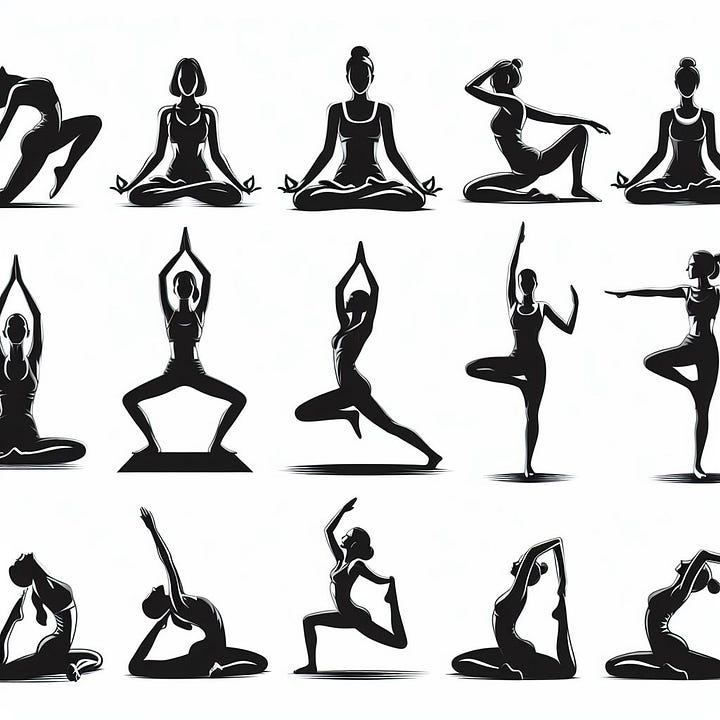
With the growing popularity of yoga, various styles have emerged, each offering a unique approach and emphasis. Whether you’re a beginner or an experienced practitioner, there’s a yoga style that suits your needs and preferences. Some popular styles include:
A. Hatha Yoga
Hatha yoga is a gentle, slow-paced style that focuses on fundamental postures and breathing techniques, making it an ideal choice for beginners or those seeking a restorative practice. This style emphasizes proper alignment, breath awareness, and holding postures for extended periods, allowing practitioners to cultivate strength, flexibility, and mindfulness.
Hatha yoga classes typically begin with a gentle warm-up, followed by a series of standing and seated postures, and concluding with relaxation and meditation. The slow pace and focus on technique make Hatha yoga an excellent starting point for those new to yoga or recovering from injuries.
B. Vinyasa (Flow) Yoga
Vinyasa, also known as “flow” yoga, is a dynamic and fluid style that links movement with breath. In Vinyasa classes, practitioners move through a series of postures, transitioning smoothly from one asana to the next in a continuous, dance-like flow.
This style is often characterized by its emphasis on Sun Salutations (Surya Namaskar), a sequence of postures that serve as a physical and energetic warm-up. Vinyasa yoga can be physically demanding, as it involves continuous movement and may include more advanced postures and arm balances.
Due to its vigorous nature, Vinyasa yoga is an excellent choice for those seeking a cardiovascular workout while also cultivating strength, flexibility, and mental focus.
C. Iyengar Yoga
Iyengar yoga, named after its founder, B.K.S. Iyengar, is known for its precise attention to alignment and the use of props, such as blocks, straps, and blankets. This style emphasizes the meticulous study of each posture, ensuring proper form and alignment to maximize the benefits and minimize the risk of injury.
In Iyengar classes, postures are typically held for longer periods, allowing practitioners to deeply explore the nuances of each asana. The use of props facilitates proper alignment and provides support, making this style accessible to individuals of all levels, including those with physical limitations or injuries.
Iyengar yoga’s emphasis on precision and attention to detail can help practitioners develop a deeper understanding of their bodies and cultivate a heightened level of body awareness.
D. Restorative Yoga
Restorative yoga is a gentle and relaxing style that focuses on relaxation and stress relief. This practice involves holding a small number of postures for an extended period, typically supported by props such as blankets, bolsters, and blocks.
The goal of restorative yoga is to facilitate a state of deep rest and relaxation, allowing the body to release tension and the mind to achieve a sense of calm. By supporting the body in these passive postures, practitioners can experience a profound sense of tranquility and rejuvenation.
Restorative yoga is particularly beneficial for those recovering from illness or injury, as well as individuals dealing with chronic stress, anxiety, or insomnia. It can also be an excellent complement to more active yoga styles, providing a much-needed counterbalance and opportunity for rest and renewal.
E. Hot Yoga (Bikram/Yin)
Hot yoga refers to styles practiced in a heated room, typically around 105°F (40°C) with elevated humidity levels. Two popular forms of hot yoga are Bikram and Yin.
Bikram yoga, developed by Bikram Choudhury, consists of a sequence of 26 postures and two breathing exercises performed in a heated environment. The heat is designed to promote flexibility and detoxification through sweating, while the set sequence allows practitioners to develop muscle memory and deepen their practice over time.
Yin yoga, on the other hand, is a slower-paced style that involves holding passive, floor-based postures for extended periods, typically between three and five minutes. The heat in Yin yoga is believed to facilitate deeper stretching and release of connective tissues, such as fascia and ligaments.
While hot yoga styles can be physically demanding and may not be suitable for everyone, they offer a unique and intense experience for those who enjoy practicing in a heated environment.
Regardless of your chosen style, it’s essential to listen to your body, respect your limitations, and work with qualified instructors to ensure a safe and enjoyable practice.
VII. The Role of Yoga in Stress Management

In our modern, fast-paced world, stress has become an increasingly prevalent issue, taking a toll on our physical and mental well-being.
Yoga offers a powerful tool for stress management, providing a multifaceted approach to combating the effects of stress on the body and mind.
The Physiological Effects of Stress:
Stress triggers the activation of the sympathetic nervous system, commonly known as the “fight-or-flight” response. This response initiates a cascade of physiological changes, including increased heart rate, elevated blood pressure, and the release of stress hormones like cortisol.
While this response was evolutionarily beneficial in times of acute danger, chronic stress can have detrimental effects on our health.
Prolonged exposure to stress hormones can weaken the immune system, contribute to weight gain, disrupt sleep patterns, and increase the risk of various health conditions, such as heart disease, depression, and anxiety disorders.
A. Yoga’s Stress-Busting Benefits
Yoga’s multidimensional approach, incorporating physical postures, breathwork, and meditation, provides a comprehensive solution for managing stress and its associated effects.
1. Physical Postures (Asanas): The physical practice of yoga postures helps to release muscle tension and promote relaxation. Certain postures, such as forward folds and inversions, can stimulate the parasympathetic nervous system, counteracting the stress response and promoting a sense of calm.
2. Pranayama (Breathwork): Controlled breathing techniques, such as Alternate Nostril Breathing (Nadi Shodhana) and Kapalabhati (Skull Shining Breath), can help regulate the autonomic nervous system and induce a state of relaxation. Deep, diaphragmatic breathing has been shown to reduce stress hormones like cortisol and increase feelings of calmness and well-being.
3. Meditation: The practice of meditation, an integral part of yoga, can help quiet the mind and cultivate a state of present-moment awareness. By disengaging from the constant stream of thoughts and worries, individuals can experience a sense of inner peace and emotional stability, effectively managing stress and anxiety.
B. The Mind-Body Connection
One of the key principles of yoga is the recognition of the interconnectedness between the mind and body. Stress often manifests not only through physical symptoms but also through mental and emotional turmoil. Yoga addresses this mind-body connection by promoting a harmonious balance between the two.
Through the practice of mindfulness and self-awareness, individuals learn to recognize the physical and emotional cues associated with stress. This heightened awareness empowers them to respond more effectively to stressors, rather than reacting impulsively or suppressing their emotions.
Furthermore, the philosophy of yoga encourages the cultivation of virtues such as non-violence (ahimsa), truthfulness (satya), and self-discipline (tapas), which can contribute to a more balanced and resilient mindset in the face of life’s challenges.
C. Incorporating Yoga into a Stress Management Routine
To fully harness the stress-busting benefits of yoga, it’s recommended to incorporate a regular practice into your daily routine. Even a short, 20-minute session can provide a respite from the demands of daily life and help manage stress levels effectively.
Many yoga studios and online platforms offer classes specifically designed for stress relief, incorporating gentle postures, restorative practices, and guided meditations. Additionally, incorporating yogic breathing exercises, such as Nadi Shodhana or Ujjayi Pranayama, throughout the day can serve as a powerful tool for grounding and centering oneself during moments of heightened stress.
VIII. The Benefits of Yoga for Athletes and Active Individuals

While often viewed as a low-impact, gentle form of exercise, yoga can offer significant benefits for athletes and active individuals seeking to enhance their performance, prevent injuries, and promote overall well-being.
A. Improved Flexibility and Range of Motion
One of the most well-known benefits of yoga for athletes is increased flexibility and range of motion. Regular practice of yoga postures and stretches can help improve mobility in the joints, elongate muscles, and reduce the risk of injury.
Sports and activities that require a high degree of flexibility, such as gymnastics, dance, and martial arts, can greatly benefit from incorporating yoga into their training routines.
By improving range of motion, athletes can execute movements with greater ease and fluidity, potentially enhancing their performance and reducing the strain on their bodies.
B. Increased Strength and Balance
Contrary to popular belief, yoga is not solely focused on flexibility; it also incorporates elements of strength training and balance exercises. Many yoga postures, particularly those involving arm balances and inversions, require significant upper body and core strength.
Additionally, standing postures like Warrior Poses (Virabhadrasana) and Chair Pose (Utkatasana) engage and strengthen the muscles of the lower body, improving stability and overall strength.
For athletes, increased strength and balance can translate into improved power, agility, and overall body control, which can be advantageous in a variety of sports and activities.
C. Injury Prevention and Recovery
The combination of strength, flexibility, and balance training offered by yoga can play a crucial role in injury prevention for athletes. By addressing muscular imbalances, improving joint mobility, and enhancing body awareness, yoga can reduce the risk of overuse injuries and help athletes perform at their optimal level.
Moreover, yoga can be a valuable tool in the recovery process after an injury. Gentle poses and stretches can help restore range of motion and promote the healing of injured areas, while the emphasis on breath work and relaxation can aid in pain management and stress reduction, which can further support the recovery process.
In the later stages of rehabilitation, more challenging yoga practices can help rebuild strength, stability, and proprioception (the awareness of one’s body in space), reducing the risk of re-injury and facilitating a safe return to athletic activities.
D. Mental Focus and Concentration
The practice of yoga extends beyond the physical realm, offering benefits for mental focus and concentration — valuable assets for athletes in training and competition. Through various meditative techniques and breath work, yoga cultivates present-moment awareness and the ability to remain centered and focused, even in high-pressure situations.
This heightened sense of mindfulness can help athletes stay attuned to their bodies, make split-second decisions, and maintain composure during intense moments of competition. Additionally, the stress-reducing effects of yoga can help athletes manage performance anxiety and enhance their overall mental resilience.
IX. Science Behind Yoga and Brain Health

While the mental health benefits of yoga have long been recognized, recent scientific research has shed light on the profound impact yoga can have on brain structure and function, potentially offering protective benefits against cognitive decline and neurodegenerative disorders.
A. Neuroplasticity and Yoga
Neuroplasticity refers to the brain’s ability to reorganize and adapt its neural pathways in response to experience and environmental influences. This remarkable capacity allows the brain to continuously learn, grow, and change throughout our lives.
Yoga, with its combination of physical postures, breathwork, and meditation, has been shown to stimulate neuroplasticity and promote positive changes in brain structure and function. Research has revealed that regular yoga practice can lead to increased gray matter density in regions associated with memory, attention, and emotional regulation.
B. Yoga and Cognitive Function
Studies have demonstrated that yoga can have a positive impact on various cognitive domains, including attention, memory, and executive function (the ability to plan, organize, and regulate behavior).
One study published in the Journal of Alzheimer’s Disease found that a 12-week yoga intervention improved cognitive function and working memory in older adults with mild cognitive impairment, suggesting potential therapeutic benefits for individuals at risk of developing dementia or Alzheimer’s disease.
Another study published in the Journal of Physical Activity and Health examined the effects of yoga on college students’ academic performance. The results indicated that students who participated in a yoga program showed improvements in attention, information processing, and overall academic achievement compared to a control group.
C. Yoga and Stress Resilience
Chronic stress has been linked to various negative impacts on brain health, including reduced gray matter volume, impaired neurogenesis (the formation of new neurons), and increased inflammation. These changes can contribute to cognitive decline and heighten the risk of neurodegenerative disorders like Alzheimer’s disease.
However, research has shown that yoga can help mitigate the detrimental effects of stress on the brain. By promoting relaxation, reducing cortisol levels, and enhancing emotional regulation, yoga can provide a buffer against stress-induced brain changes and potentially prevent or delay cognitive impairment.
Moreover, the mindfulness practices inherent in yoga can improve stress resilience by cultivating greater emotional awareness and self-regulation skills, further protecting the brain from the damaging effects of chronic stress.
As scientific evidence continues to mount, yoga emerges as a promising complementary approach for promoting brain health, cognitive function, and overall well-being throughout the lifespan.
Conclusion:
Yoga is a transformative journey that transcends the physical realm, offering a holistic path to well-being. By embracing the principles of yoga, you can unlock a world of profound benefits, from increased strength and flexibility to enhanced mental clarity and emotional resilience. Whether you’re seeking a gentle restorative practice or a more vigorous physical challenge, there’s a yoga style that resonates with your unique needs and goals.
Remember, the true essence of yoga lies not merely in the physical postures but in the integration of mind, body, and spirit. As you progress on your yogic path, you may find yourself cultivating a deeper sense of self-awareness, compassion, and connection with the present moment.
So, roll out your mat, take a deep breath, and embark on this life-changing journey. Embrace the teachings of yoga, and you may find yourself unlocking a newfound sense of peace, balance, and overall well-being that permeates every aspect of your life.
Frequently Asked Questions (FAQs):
Q: I’m not very flexible. Can I still practice yoga?
A: Absolutely! Yoga is not about achieving perfect flexibility; it’s about working within your current abilities and gradually expanding your range of motion. The practice is designed to meet you where you are and provide modifications and props to accommodate all levels of flexibility.
Q: Do I need to be in good physical shape to start yoga?
A: No, you don’t need to be in excellent physical condition to begin your yoga journey. Yoga is accessible to individuals of all fitness levels, and many styles offer gentle, beginner-friendly options. The practice itself can help improve your overall fitness and strength over time.
Q: Can men practice yoga?
A: Yes, yoga is for everyone, regardless of gender. While the practice has traditionally been associated with women, an increasing number of men are embracing yoga for its numerous physical, mental, and spiritual benefits. Many yoga studios and classes cater to both male and female practitioners.
Q: I have an injury or medical condition. Is yoga still safe for me?
A: Yoga can be beneficial for those with certain injuries or medical conditions, as it can help improve flexibility, strength, and overall well-being. However, it’s essential to consult with a healthcare professional and inform your yoga instructor about your specific condition. They can provide modifications and guidance to ensure a safe and appropriate practice.
Q: How often should I practice yoga?
A: The frequency of your yoga practice depends on your goals and personal preferences. Most experts recommend practicing yoga at least 2–3 times per week to experience significant benefits. However, even a regular 20–30 minute home practice can be beneficial for maintaining flexibility, reducing stress, and cultivating mindfulness.
Q: Do I need to chant or follow a specific philosophy to practice yoga?
A: No, you don’t need to chant or subscribe to any particular philosophy to practice yoga. While yoga has its roots in ancient Indian traditions, the physical practice of asanas (postures) and pranayama (breath control) can be enjoyed by individuals of any background or belief system.
Q: Can yoga help me lose weight?
A: While yoga is not primarily a weight-loss exercise, regular practice can support weight management by increasing muscle tone, boosting metabolism, and reducing stress levels, which can contribute to emotional eating. However, for significant weight loss, yoga is best combined with a balanced diet and other forms of cardiovascular exercise.
Q: Can I practice yoga while pregnant?
A: Yes, yoga can be an excellent form of exercise during pregnancy when practiced under the guidance of a qualified prenatal yoga instructor. Prenatal yoga can help improve strength, flexibility, and relaxation, while also preparing the body for childbirth. However, certain postures and modifications may be necessary for the safety of the mother and baby.
Q: Can children practice yoga?
A: Yes, yoga can be incredibly beneficial for children, helping them develop focus, flexibility, self-awareness, and stress management skills from an early age. Many yoga studios and instructors offer specialized classes designed for children, incorporating elements of play, storytelling, and age-appropriate activities.
Feeling Inspired?
Start your Lord Lifestyle journey here.
Disclaimer: This article is for informational and educational purposes only. It is not intended to provide medical advice or to diagnose, treat, cure, or prevent any disease. You should always consult your doctor before taking any supplement or drug, especially if you have any medical conditions or take any medications. You should also do your own research and verify the information and claims made in this article. We are not responsible for any adverse effects or consequences that may result from using any of the products or information mentioned in this article. Use at your own risk and discretion.
This article may contain sponsored/affiliate links and links to external sites.
