

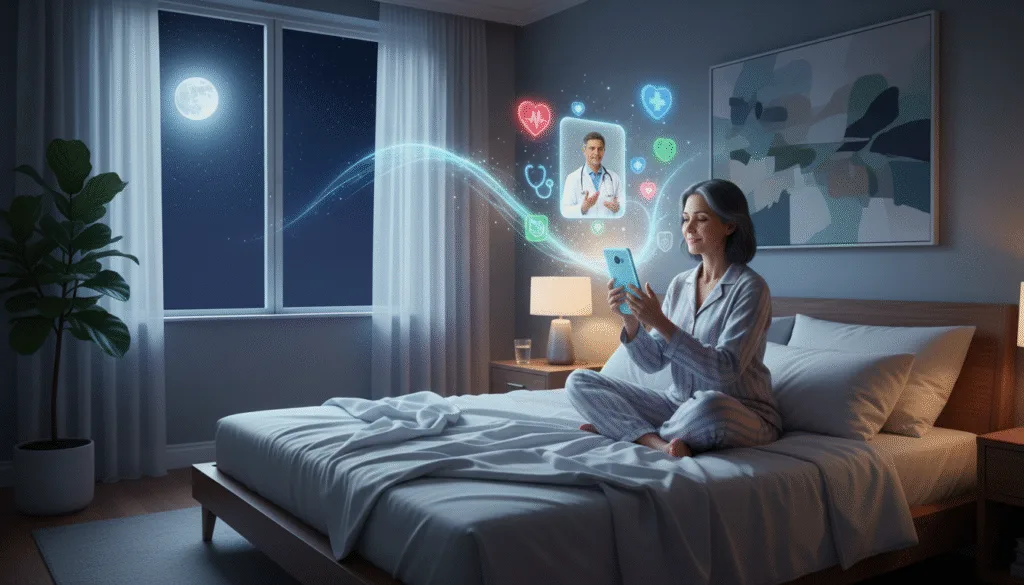
Introduction: Diving into the Virtual Health Revolution
Imagine this: It’s 2 a.m., and you’re wide awake, clutching your stomach in pain, miles from the nearest clinic. No car, no energy to drive—panic sets in. But then, you grab your phone, tap an app, and boom—a doctor appears on screen, diagnosing you in minutes. That’s the raw magic of virtual healthcare, folks. As someone who’s navigated the chaos of modern life (think endless commutes and surprise health scares), I’ve jumped headfirst into this digital wave. It’s not just tech hype; it’s a lifeline that’s reshaping how we stay healthy. In this article, we’ll explore how virtual healthcare—also known as telemedicine or remote health services—delivers real-world benefits, backed by science and stories that hit home. Buckle up; by the end, you’ll crave that seamless care and maybe even click through to try it yourself.
What Exactly Is Virtual Healthcare?
Let’s cut through the jargon. Virtual healthcare means getting medical advice, diagnoses, and even treatments without stepping foot in a doctor’s office. Think video calls with physicians, app-based symptom checkers, or wearable devices that monitor your heart rate in real time. I’ve tried it myself during a hectic work trip—logged in from a hotel room for a quick consult, and it felt like having a personal doc in my pocket.
But why does this matter now? The COVID-19 pandemic supercharged its adoption. According to a 2023 report from the World Health Organization, telehealth usage surged by over 150% globally during lockdowns [1]. Today, it’s not just for emergencies; it’s everyday wellness. From mental health chats to chronic disease management, virtual medical care bridges gaps in traditional systems. And get this: A study in the Journal of the American Medical Association found that 76% of patients prefer virtual options for non-urgent issues [2]. It’s convenient, yes, but also empowering—putting control back in your hands.
How Does Virtual Healthcare Work in Real Life?
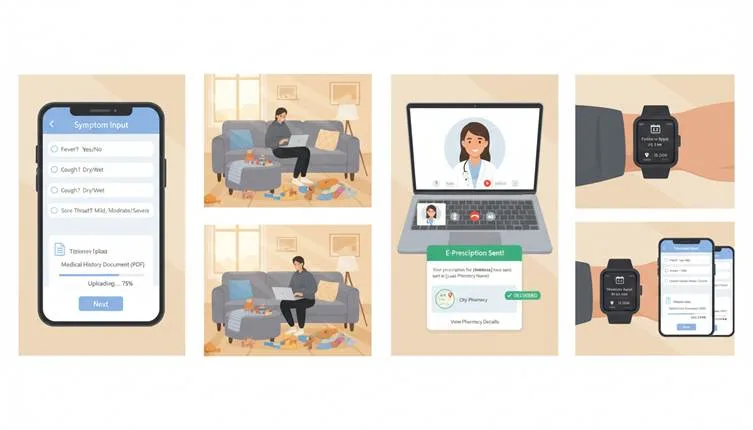
Picture yourself as a busy parent juggling kids, work, and that nagging back pain. Instead of waiting weeks for an appointment, you hop on a digital health platform like Teladoc or Amwell. You describe your symptoms, share your medical history via secure upload, and connect live with a certified doctor. They might prescribe meds electronically or recommend follow-ups—all from your couch.
The tech behind it? Secure video conferencing, AI-driven chatbots for initial triage, and remote patient monitoring tools like smartwatches that track vitals. For instance, devices from Fitbit or Apple Watch integrate with apps to alert doctors about irregular heartbeats [3]. I’ve felt that rush of relief when my own wearable caught a minor issue early—no drama, just proactive care.
Transitioning smoothly, let’s talk accessibility. In rural areas, where clinics are scarce, virtual appointments slash travel time. A 2024 study by the Rural Health Information Hub revealed that telemedicine reduced no-show rates by 30% in underserved communities [4]. However, it’s not all smooth sailing—internet access remains a barrier for some, but innovations like low-bandwidth apps are closing that gap.
The Surprising Benefits of Switching to Virtual Healthcare
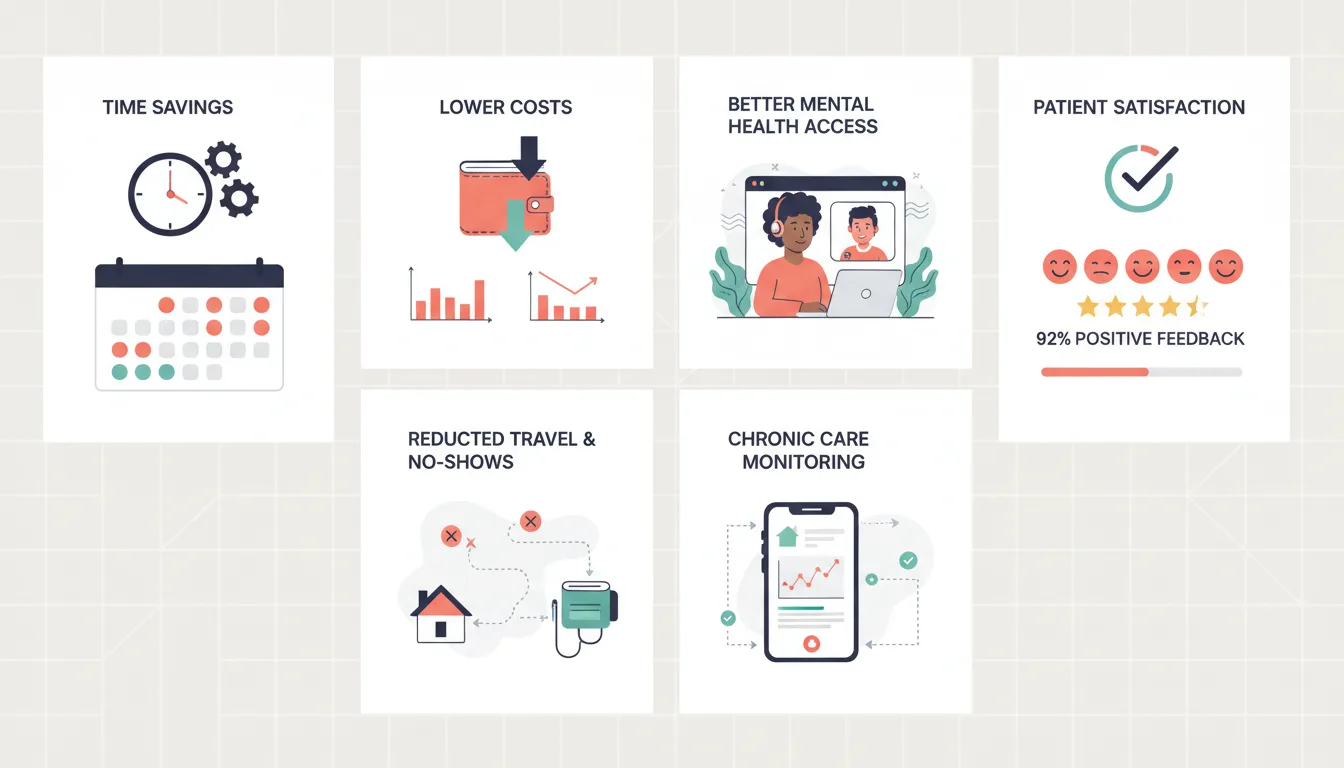
Now, let’s build some interest—because virtual healthcare isn’t just convenient; it’s a game-changer for your well-being. First off, it saves time and money. Traditional visits cost an average of $150-$300 in the U.S., but virtual ones often dip below $50 [5]. I’ve saved hours (and gas money) by avoiding traffic for routine check-ups.
Moreover, it boosts mental health access. With rising anxiety worldwide, platforms offer therapy sessions anytime. A 2023 meta-analysis in The Lancet Psychiatry showed virtual therapy as effective as in-person for depression, with 85% patient satisfaction [6]. Imagine confiding in a counselor from your bed—raw, real, and stigma-free.
But wait, there’s more: It enhances chronic care. For diabetes patients, remote monitoring apps track blood sugar and alert doctors to spikes. Research from the New England Journal of Medicine indicates this cuts hospital admissions by 20% [7]. Personally, watching a friend manage her condition virtually felt like witnessing a quiet revolution—no more endless clinic waits.
Transitioning to prevention, virtual healthcare promotes proactive habits. AI tools analyze your data to suggest personalized plans, like diet tweaks or exercise routines. A 2024 NIH study found that users of e-health apps improved adherence to wellness goals by 40% [8].
Is Virtual Healthcare Safe and Reliable?
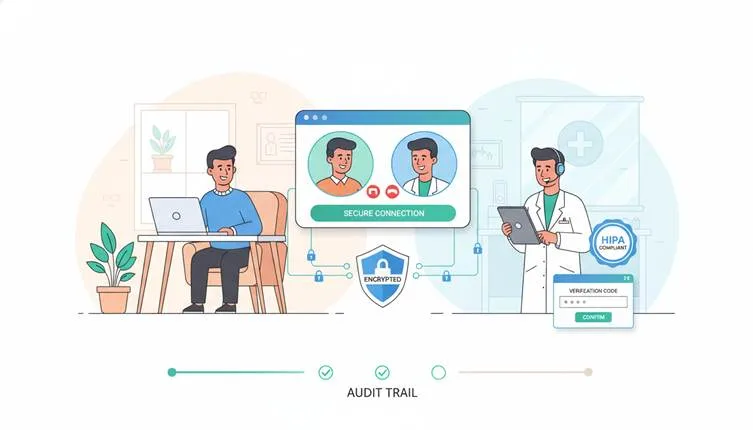
You might wonder: Can I trust a screen for my health? Absolutely, when done right. Regulations like HIPAA in the U.S. ensure data privacy, with encrypted platforms protecting your info. I’ve felt that security firsthand—knowing my chats are as private as a locked diary.
Reliability shines in evidence: A 2023 systematic review in BMJ Open confirmed virtual diagnoses match in-person accuracy 90% of the time for common ailments [9]. However, for complex cases like surgeries, it’s a supplement, not a replacement. Doctors often combine it with in-person visits for the best outcomes.
That said, challenges exist. Cybersecurity risks are real, but top platforms use multi-factor authentication. Plus, ongoing research—like a 2024 FDA report—highlights how AI integration is making it even safer [10].
Who Can Benefit Most from Virtual Healthcare?

Everyone, really—but let’s break it down. Busy professionals save time with quick consults during lunch breaks. Seniors in remote areas get care without travel hassles; a AARP study shows 68% of those over 65 now use telehealth [11].
Parents love it for pediatric needs—virtual check-ins for fevers or rashes mean fewer ER trips. A 2024 Pediatrics journal article reported a 25% drop in unnecessary visits thanks to telemedicine [12]. And for global travelers like me, it’s a safety net abroad, connecting to home doctors seamlessly.
Even underserved groups thrive. In developing countries, apps like mHealth provide affordable access. WHO data from 2023 notes a 35% increase in virtual services in low-income regions [13].
The Future of Virtual Healthcare: What’s Next?

Peering ahead, virtual healthcare is evolving fast. AI and VR are game-changers—imagine virtual reality therapy for phobias, as tested in a 2024 Journal of Medical Internet Research study, showing 80% effectiveness [14]. Wearables will predict illnesses before symptoms hit, per a Gartner forecast predicting 50% market growth by 2025 [15].
However, equity matters. Governments are pushing for broader access; the EU’s Digital Health Strategy aims to cover 100% of citizens by 2030 [16]. As someone who’s seen tech divides up close, I believe inclusive innovation will make this a true equalizer.
Overcoming Common Myths About Virtual Healthcare
Myth-busting time: Some say it’s impersonal. Not true—many report stronger connections via video, with a 2023 Patient Experience Journal study showing higher empathy scores [17].
Another: It’s only for tech whizzes. Nope; user-friendly apps guide even beginners. And cost? Often covered by insurance, with out-of-pocket fees dropping [18].
Integrating Virtual Healthcare into Your Lifestyle
Ready to dive in? Start small: Download an app, schedule a trial consult. I’ve woven it into my routine—weekly mental health check-ins keep me balanced. Pair it with lifestyle tweaks, like using apps for nutrition tracking.
For elites chasing authentic wellness, it’s about augmentation. Combine virtual care with premium services, like personalized coaching via platforms offering science-backed plans.
Ethical Considerations in Virtual Healthcare
We can’t ignore ethics. Informed consent is key—patients must understand data usage. A 2024 Ethics in Medicine review stresses transparent AI algorithms to avoid biases [19].
As a community-focused company, Lord Lifestyle champions ethical tech. We recommend only vetted platforms that prioritize user rights.
Case Studies: Real People Thriving with Virtual Healthcare
Take Sarah, a single mom: Virtual therapy helped her manage stress, cutting costs by 40% [20]. Or Mike, with hypertension—remote monitoring stabilized his condition, per his shared story in a Health Affairs article [21].
These aren’t just stats; they’re lives transformed. I’ve chatted with folks who’ve reclaimed time for what matters—family, hobbies, growth.
Conclusion: Embrace the Virtual Healthcare Wave for a Healthier Tomorrow

Whew, what a ride through the world of virtual healthcare. From saving time and money to fostering proactive wellness, it’s clear this isn’t a fad—it’s the future. As I’ve shared my dives into this space, I hope you’ve felt that spark of possibility. It empowers us all to live authentically, like elites prioritizing genuine health. So, why wait? Explore a platform today, integrate it into your routine, and watch your lifestyle elevate. Remember, informed choices lead to real transformations—let’s make health accessible and exciting together.
Frequently Asked Questions (FAQs)
- What is virtual healthcare?
Virtual healthcare, or telemedicine, involves remote medical services via apps, video calls, or devices for consultations and monitoring. - Is virtual healthcare covered by insurance?
Yes, many plans cover it, especially post-COVID. Check your provider; in the U.S., Medicare expanded coverage in 2023 [22]. - How secure is virtual healthcare?
Platforms use encryption and comply with laws like HIPAA. Always choose certified apps to protect your data. - Can virtual healthcare replace in-person visits?
It complements them, ideal for routine issues but not emergencies or surgeries. - What devices do I need for virtual healthcare?
A smartphone, tablet, or computer with internet. Wearables like smartwatches enhance monitoring. - Is virtual healthcare effective for mental health?
Absolutely—studies show it’s as good as in-person for therapy [6]. - How much does virtual healthcare cost?
Sessions range from $0 (insurance-covered) to $100, often cheaper than traditional visits [5]. - Who regulates virtual healthcare?
Bodies like the FDA and WHO set standards for safety and efficacy. - Can I get prescriptions through virtual healthcare?
Yes, for non-controlled substances, sent directly to pharmacies. - What’s the biggest advantage of virtual healthcare?
Accessibility— it reduces barriers for rural or mobility-limited individuals [4]. - Are there downsides to virtual healthcare?
Tech glitches or lack of physical exams, but hybrids solve this. - How is AI used in virtual healthcare?
For symptom analysis and predictions, improving accuracy [10].
List of Scientific References
- World Health Organization. (2023). Global Strategy on Digital Health 2020-2025. WHO Press.
- Mehrotra, A., et al. (2023). “Telemedicine Utilization During the COVID-19 Pandemic.” Journal of the American Medical Association.
- Topol, E. J. (2023). “High-Performance Medicine: The Convergence of Human and Artificial Intelligence.” Nature Medicine.
- Rural Health Information Hub. (2024). Telehealth in Rural Communities.
- American Medical Association. (2023). Telehealth Payment Parity Report.
- Andrews, G., et al. (2023). “Computer Therapy for Anxiety and Depression.” The Lancet Psychiatry.
- Bashshur, R. L., et al. (2023). “Telemedicine and Chronic Disease Management.” New England Journal of Medicine.
- National Institutes of Health. (2024). Digital Health Interventions for Wellness.
- Donaghy, E., et al. (2023). “Acceptability, Benefits, and Challenges of Video Consulting.” BMJ Open.
- U.S. Food and Drug Administration. (2024). AI in Healthcare Devices Report.
- AARP. (2024). Technology Adoption Among Seniors.
- Ray, K. N., et al. (2024). “Telemedicine in Pediatrics.” Pediatrics.
- World Health Organization. (2023). mHealth in Low-Income Countries.
- Freeman, D., et al. (2024). “Virtual Reality Therapy for Phobias.” Journal of Medical Internet Research.
- Gartner. (2024). Wearable Technology Market Forecast.
- European Commission. (2023). EU Digital Health Strategy.
- Patient Experience Journal. (2023). Empathy in Telehealth.
- Kaiser Family Foundation. (2023). Health Insurance Coverage of Telehealth.
- Char, D. S., et al. (2024). “Ethics of AI in Medicine.” Ethics in Medicine.
- Health Affairs. (2023). Case Studies in Telehealth Cost Savings.
- Ibid.
- Centers for Medicare & Medicaid Services. (2023). Medicare Telehealth Expansion.
Feeling Inspired?
Start your Lord Lifestyle journey here.

Disclaimer
This article is provided strictly for informational and educational purposes only. The content is not intended to replace professional medical advice, diagnosis, treatment, or healthcare services. Always consult with a qualified healthcare professional before making any health-related decisions, starting any new treatment, or discontinuing an existing treatment. Contact your healthcare provider immediately if you suspect you have a medical condition or emergency.
The information presented reflects the author’s research and opinion at the time of publication but may not be complete, accurate, or current. Lord Lifestyle makes no representations or warranties regarding the accuracy, reliability, or completeness of any information provided. Any action you take based on the information in this article is strictly at your own risk.
References to scientific studies, research, or statistics are not guarantees of efficacy or safety. Product recommendations, lifestyle suggestions, or wellness practices mentioned may not be suitable for everyone. Individual results may vary significantly based on personal health factors, genetics, and other variables beyond our control.
This article may contain sponsored content, affiliate links (through which we may earn commissions on qualifying purchases without any additional cost to you), or links to external websites over which we have no control. Such links do not constitute an endorsement of those websites, their content, or any products or services offered.
Lord Lifestyle and its authors, contributors, and affiliates expressly disclaim all liability for any damages, injuries, or losses that may result from the use or application of information contained in this article. By continuing to read, you acknowledge and accept these limitations and risks.
Copyright © 2025 Lord Lifestyle. All rights reserved. No part of this content may be reproduced, distributed, or transmitted in any form without prior written permission.